OEM & ODM bag manufacturing.

From fabric and construction to private-label branding, sampling and production. Define the bag, approve the details and carry one clear specification through the project.

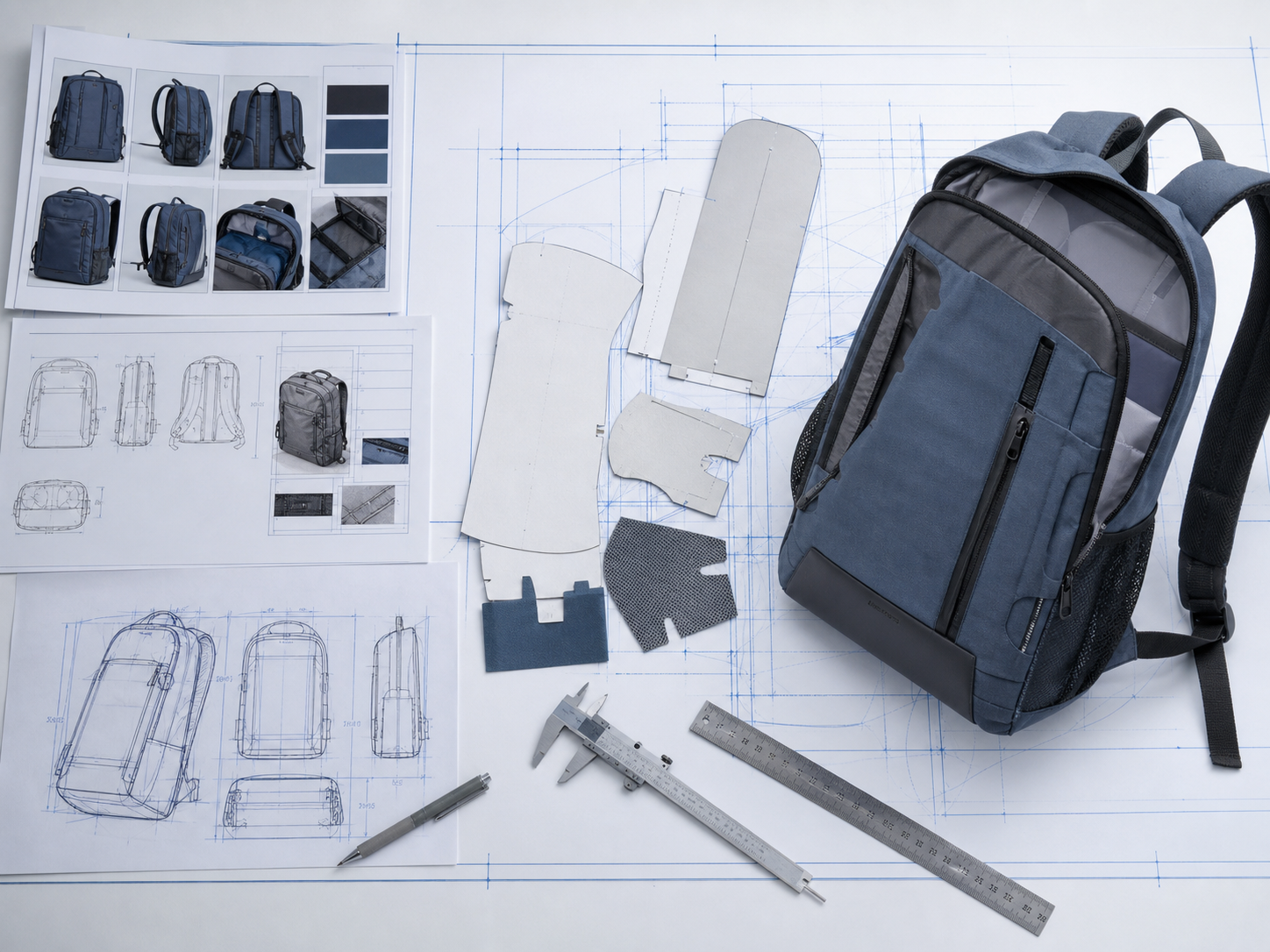
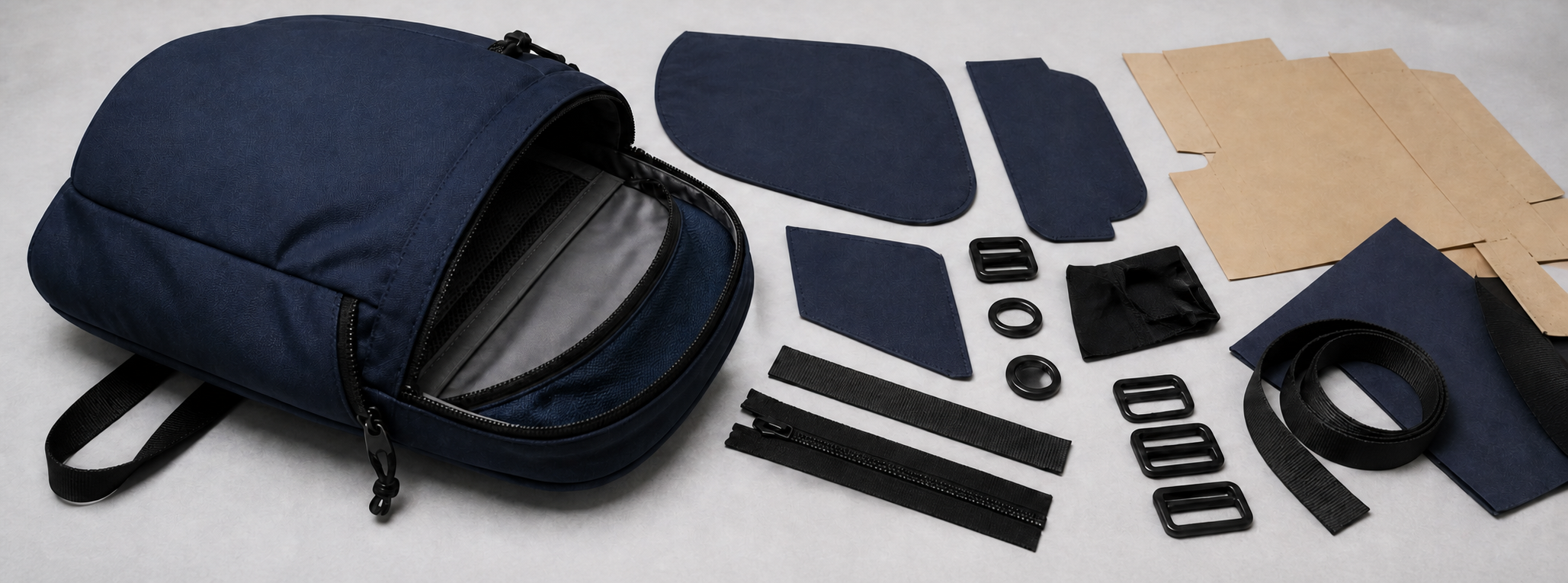
Open navy backpack with cut fabric panels, paper patterns and carrying components on a studio worktable
Illustrative development studyMade to order. Developed for your market.

Bag construction, detail by detail.

Start with what the bag needs to carry, how it opens and who uses it. Then resolve the structure around those functional requirements.

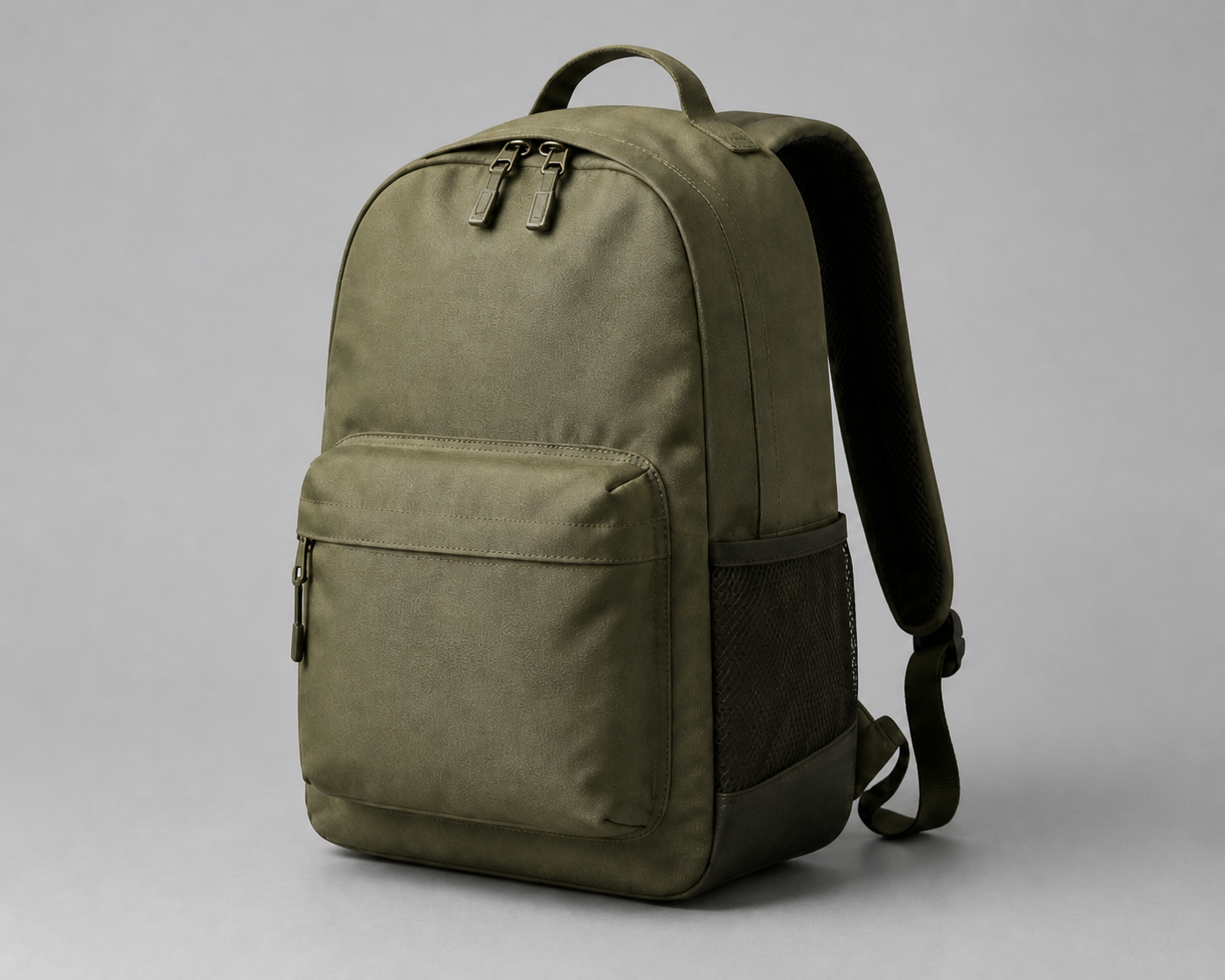
Olive backpack showing main zipper, front pocket, side mesh pocket and shoulder strap

Access & opening

Start with how the bag will be opened and packed.

Decide
What needs to be reached quickly, and what should stay enclosed?
Discuss
Opening width, zipper path, pullers and whether a top-opening or wider panel opening suits the use.
Check on sample
Load it with the intended contents. Review access, zipper movement and whether the opening holds its shape.

Pockets & organization

Give each frequently carried item a usable place.

Decide
List the devices, bottles, cosmetics or small items the bag is intended to hold.
Discuss
Pocket position, usable opening, dividers, lining and any padded compartment. Share actual item measurements.
Check on sample
Check fit with the real contents, including cases or accessories. Look for awkward access and wasted space.

Carry & reinforcement

The carrying system needs to work with the intended load.

Decide
Hand carry, shoulder carry or backpack use—and the load the buyer expects in normal use.
Discuss
Webbing width, handle drop, strap adjustment, padding and attachment reinforcement.
Check on sample
Review comfort, adjustment range and connections. Agree any load-test method and acceptance criteria separately.

Dimensions & proportion

Resolve usable space and the finished silhouette together.

Decide
The external size, intended contents and any distribution-channel or carrier size requirements.
Discuss
Body depth, base shape, seam allowances and the balance between a soft or structured finish.
Check on sample
Measure agreed points on the finished bag, both empty and filled. Record tolerances before bulk approval.

Illustrative construction reference. Explore the details; final dimensions, materials and construction are agreed through sampling.

Bag fabrics, linings and trims.

Start with the application, then compare the actual fabric samples. Fiber, weave, weight and finish are separate decisions—not interchangeable specifications.

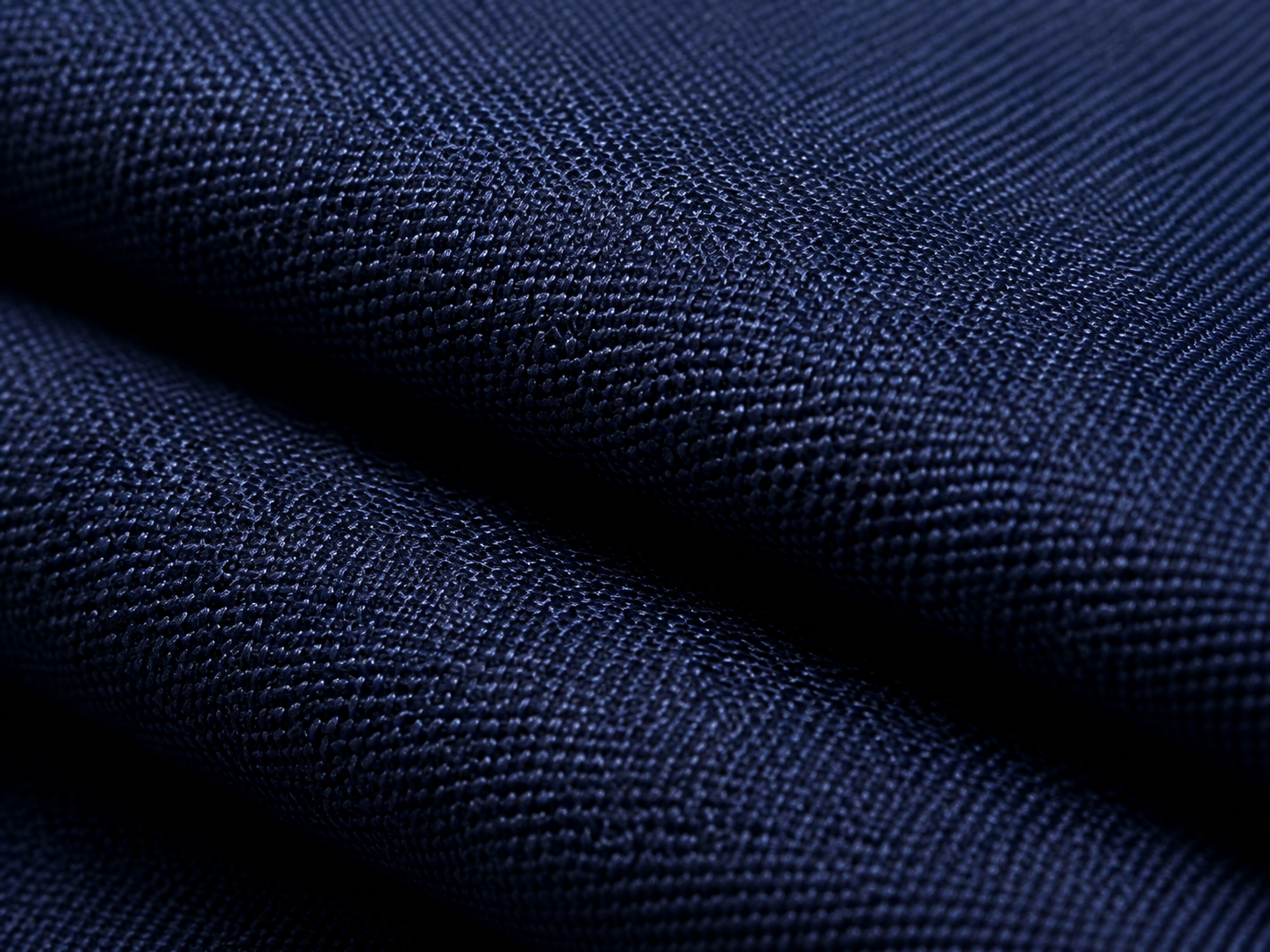
Macro study of a folded navy woven polyester fabric

Polyester

Direction
A starting point to discuss for school bags, promotional backpacks and OEM organizer projects.
Discuss
Compare weave, weight, color options and any coating against the intended construction and target price.
Sample check
Review surface texture, hand feel and how the fabric behaves at seams, folds and pocket openings.
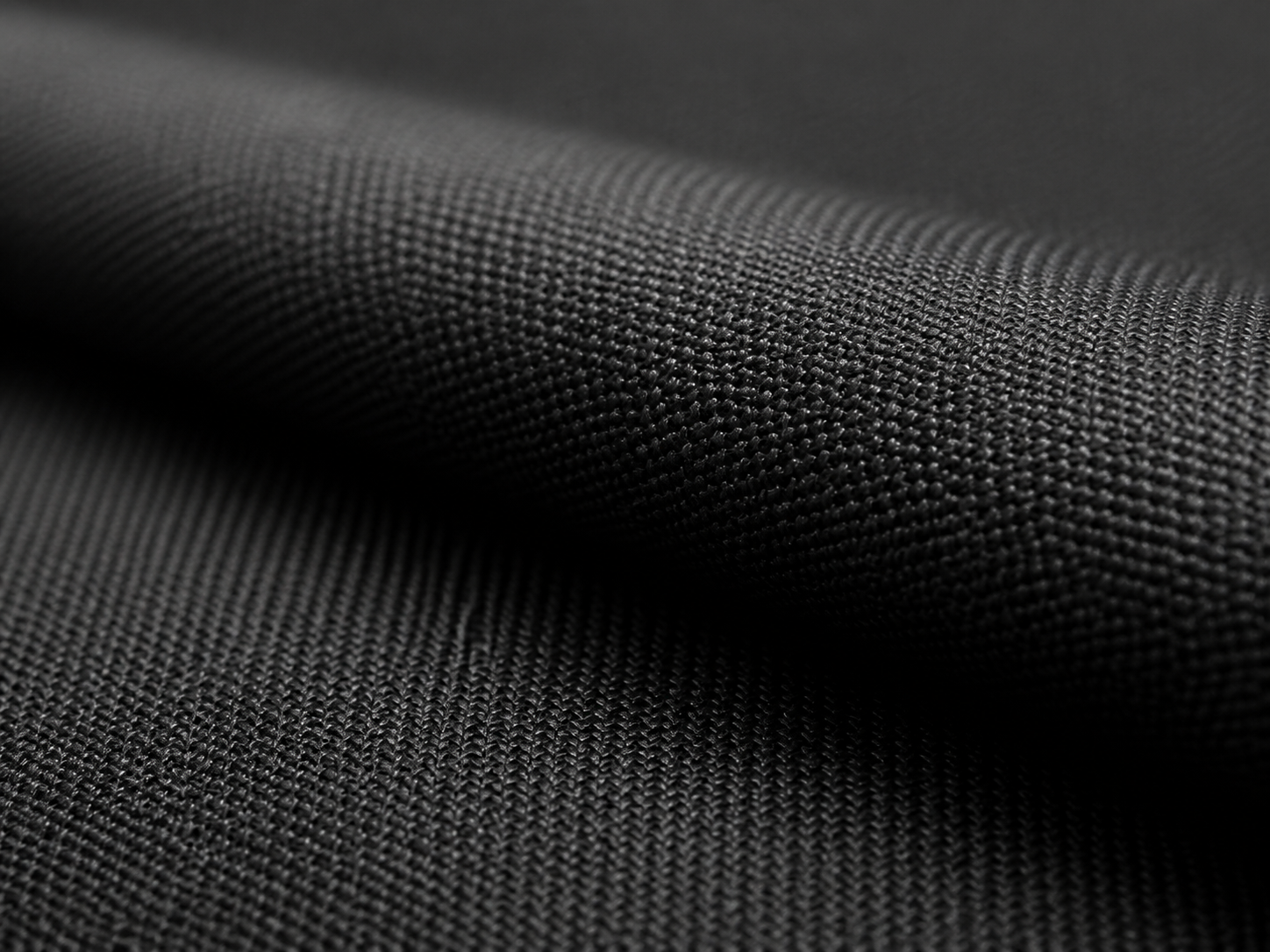
Macro study of tightly woven charcoal nylon fabric

Nylon

Direction
Explore for travel, packable and OEM carry-bag projects where fabric weight and feel are priorities.
Discuss
Specify the weave and weight, then review lining, reinforcement and any requested surface treatment.
Sample check
Assess the complete bag, including lining and hardware. A light outer fabric does not define the final bag weight.
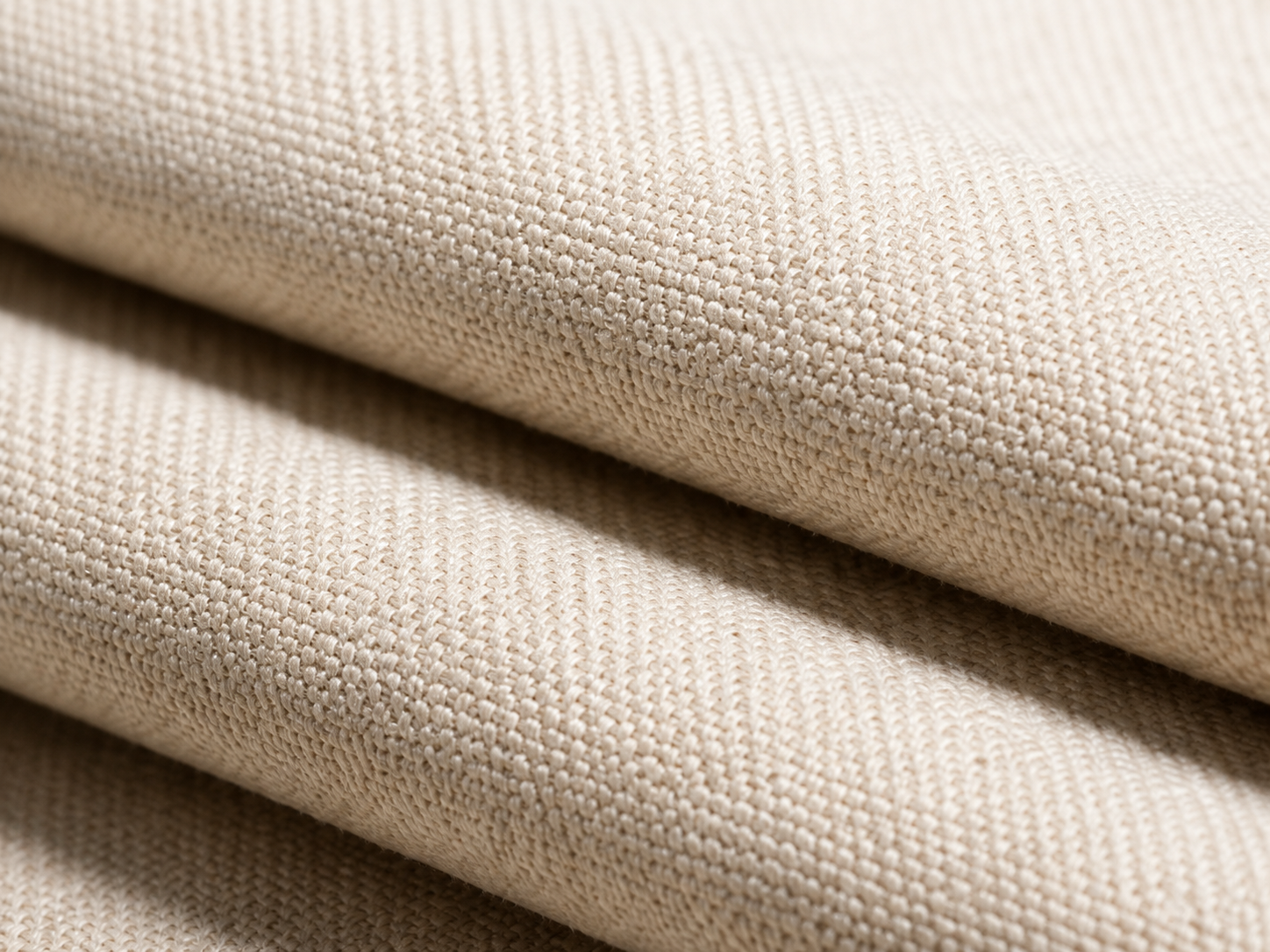
Macro study of natural cotton canvas weave and folded edge

Canvas

Direction
Explore a textile-led appearance for shopper totes, work bags and branded utility collections.
Discuss
Confirm cotton or blend composition, fabric weight, color, finish and the level of structure you want.
Sample check
Review seam thickness, handle attachments, artwork appearance and any care requirements for the chosen fabric.

Lining, padding & insulation

Lining

Pocket layout, interior color and how contents move against the surface.

Padding

Where protection is needed, the thickness and its effect on usable space.

Insulation

For cooler and lunch projects, agree the lining, insulation and intended use together.

Illustrative material studies. Confirm the exact composition and finish with the selected swatch; performance claims require an agreed specification and suitable verification.

Compare fabric choices for custom bags

Private-label bag branding.

A brand finish is more than a logo file. Technique, scale and placement should work with the fabric—and be reviewed on the actual sample.

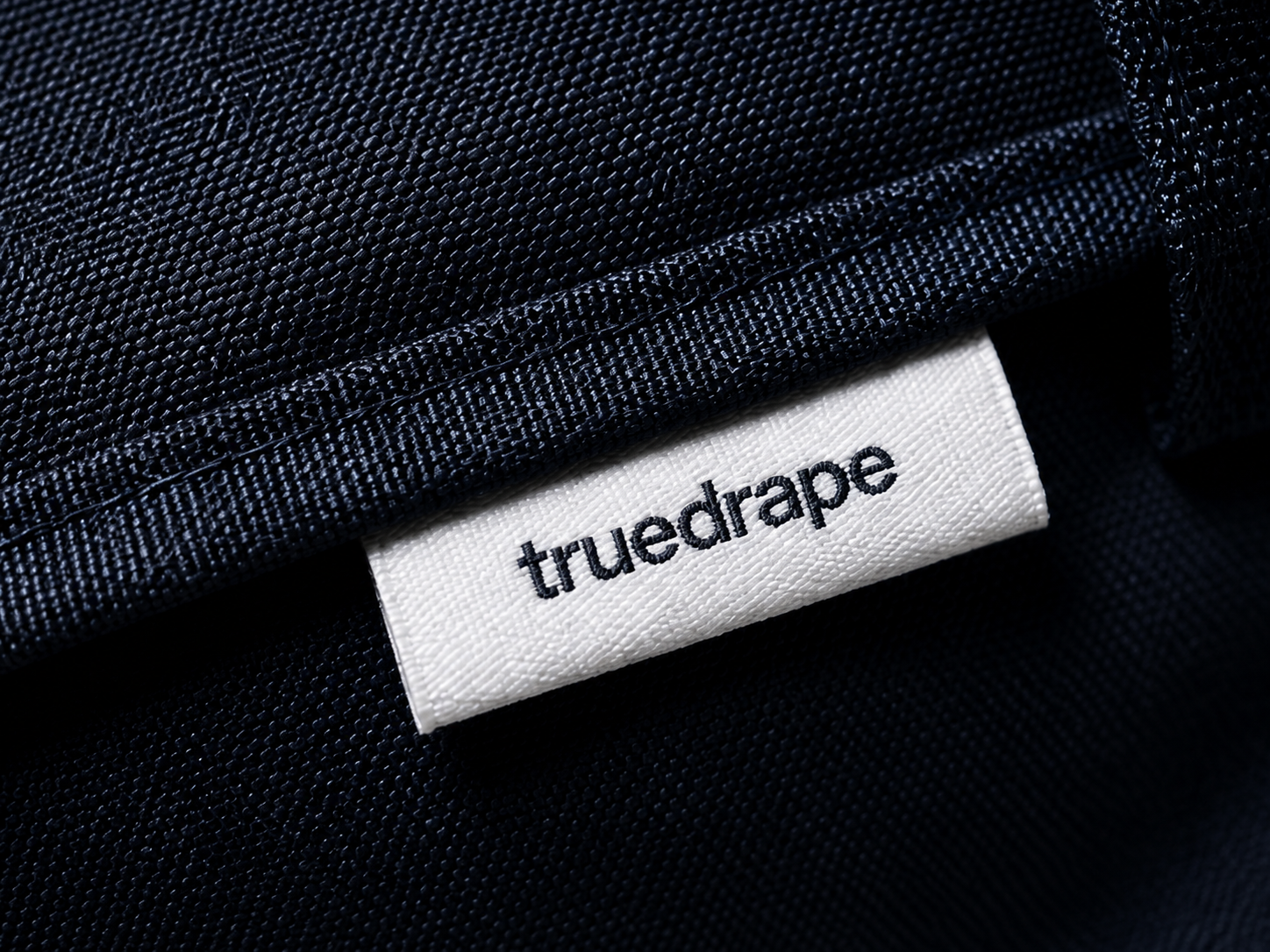
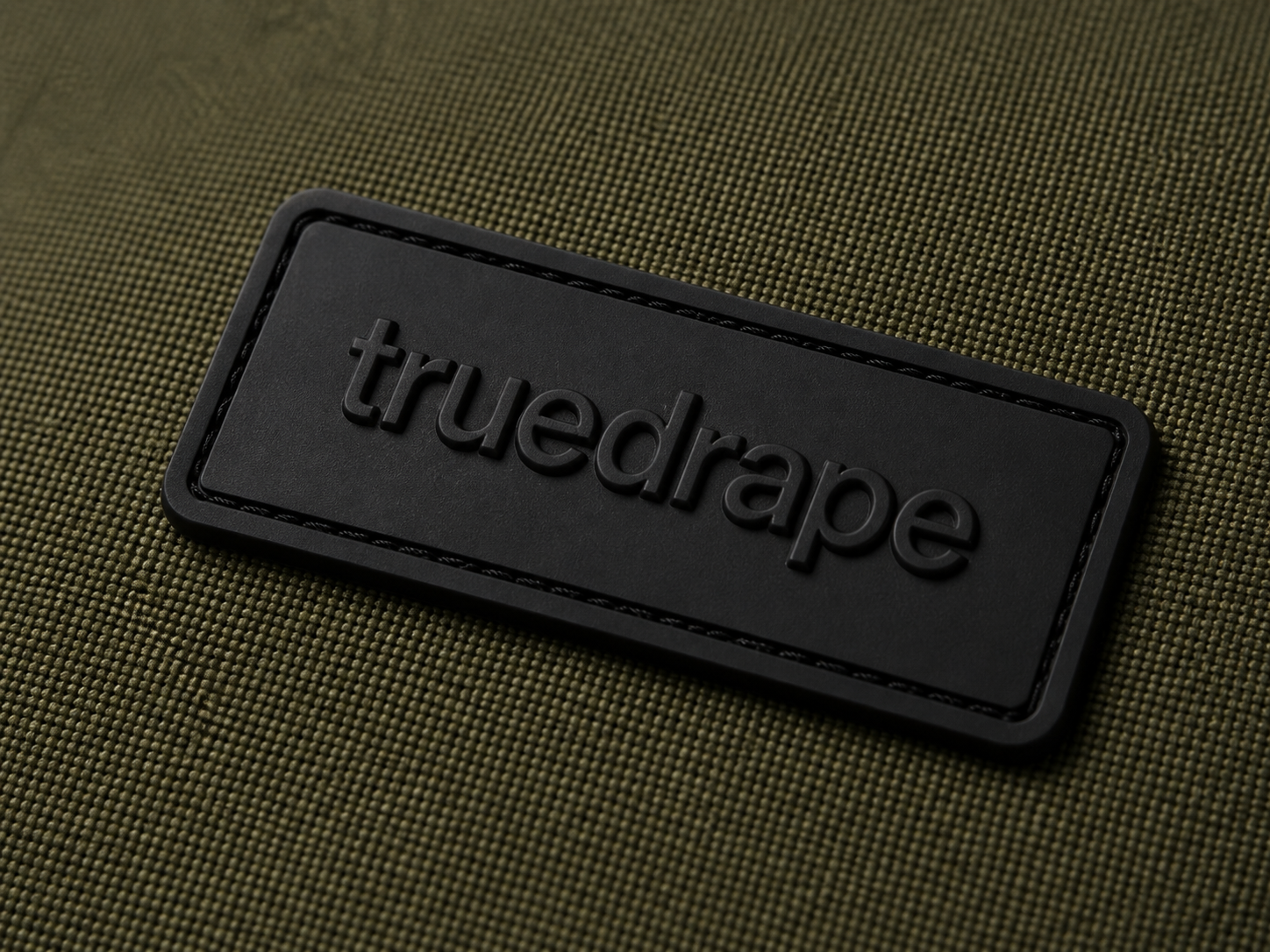
Woven labels & patches

Discuss an edge label, sewn-on patch or other suitable attachment. The border, backing and position affect how the detail sits on the finished bag.

Send
Artwork, intended dimensions and a placement reference.
Review
Legibility, edges, attachment and how the fabric moves around the detail.

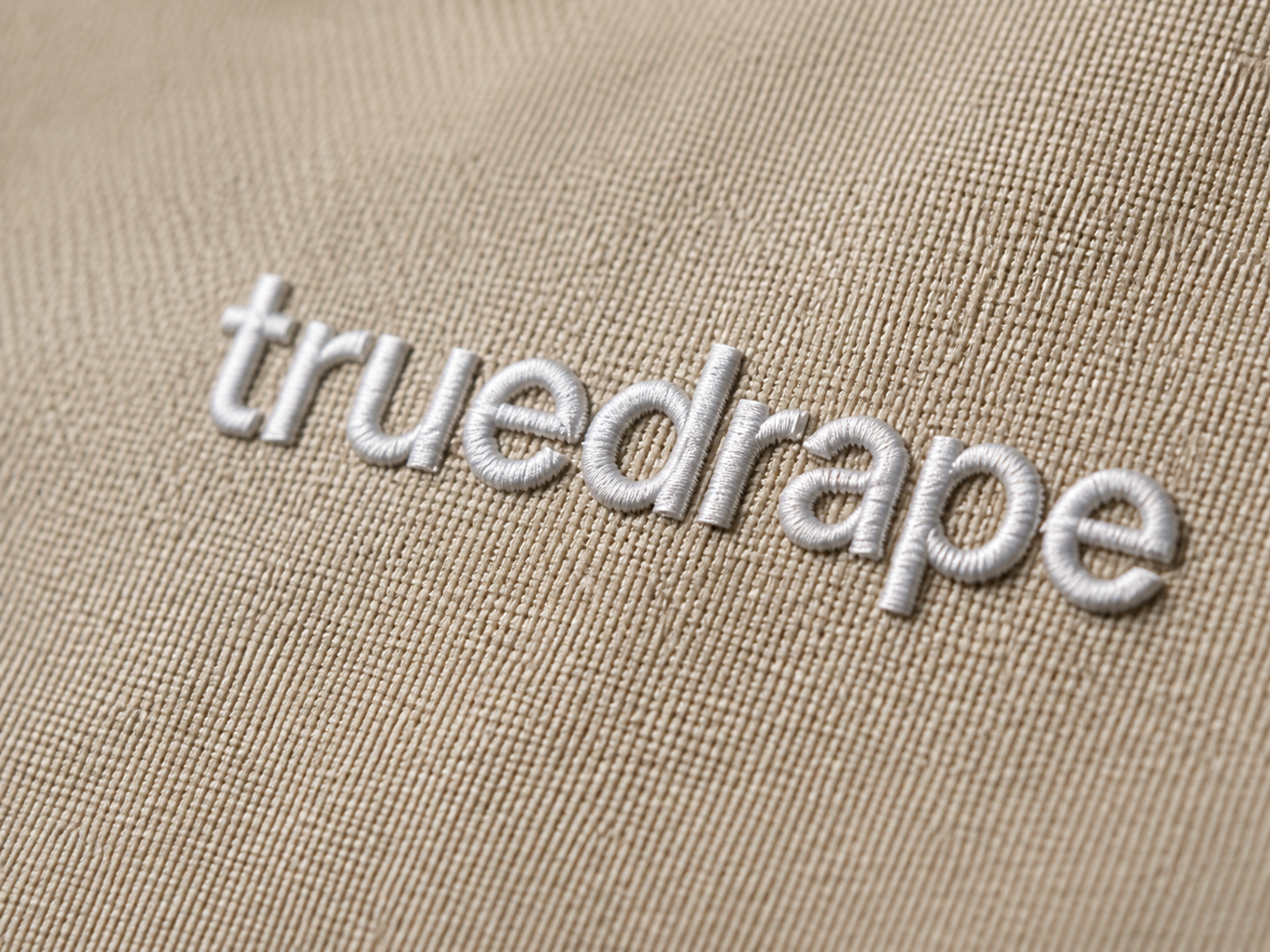
Print & embroidery

Review the design at its intended size. Fine lettering, coverage and placement need to be considered with the chosen fabric and construction.

Send
Artwork files, color references and the actual print or embroidery area.
Review
Color, detail definition, alignment and appearance on the physical sample.

OEM or ODM. Start with the right brief.

Bring a specification or start with a use case. In either path, the aim is a shared set of decisions that the sample can test.

Backpack design reference, paper patterns, technical drawings and measuring tools
Illustrative development studies · not factory photographs

Turn your specification into a production reference.

Bring a tech pack, drawing or physical sample. We review dimensions, construction, materials and the details that need confirmation before sampling.

  1. 01

    Review the brief

    We work through
    Measurements, drawings, materials, order quantity and any gaps between the reference and the intended use.
    You confirm
    Priority requirements, intended contents and the details that must remain unchanged.
  2. 02

    Resolve the construction

    We work through
    Panel arrangement, pockets, zipper route, attachments and the feasibility of the proposed material combination.
    You confirm
    The proposed construction and any changes from your original specification.
  3. 03

    Agree the sample brief

    We work through
    A defined set of materials, artwork positions and questions to review on the first physical sample.
    You confirm
    The sample scope, evaluation points and who will consolidate feedback.
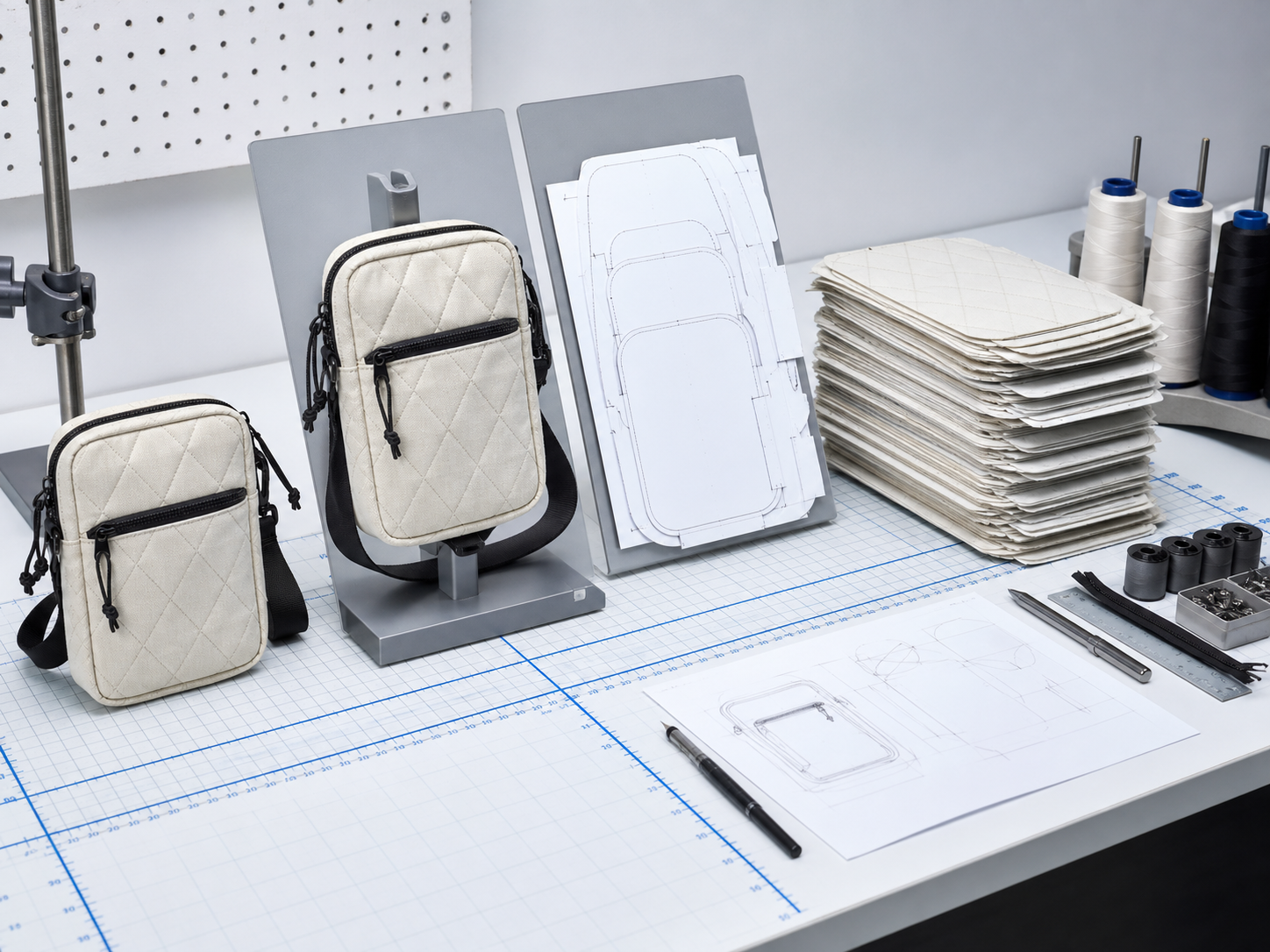
Quilted pouch development references with panel patterns, thread and prepared fabric
Illustrative development studies · not factory photographs

Develop the direction around a real use case.

Start with your customer, carrying needs and commercial target. A relevant product direction gives us a basis to discuss proportions, organization and materials, then develop a sample for review.

  1. 01

    Define the use case

    We work through
    The customer, carrying needs, product references, target quantity and commercial priorities.
    You confirm
    Who the bag is for, what it carries and the requirements that matter most.
  2. 02

    Develop the direction

    We work through
    Proportions, opening style, organization, material choices and brand placement using an original design direction.
    You confirm
    The preferred direction and which details need a physical sample to resolve.
  3. 03

    Agree the sample brief

    We work through
    A clear sample scope that connects the chosen direction with materials, components and review criteria.
    You confirm
    The features to assess, reference colors and the next approval step.

Original development only. No replicas of protected designs.

OEM vs ODM: choosing a development route

Bag sampling to bulk production.

Combined MOQ per style
100 pcs
Typical sampling target
7–10 days
Typical bulk lead time
30–45 days
Monthly capacity reference
200,000 pcs

The useful part of sampling is the decisions it makes possible. Agree what each review needs to resolve before moving into bulk production.

Planning references—not unconditional guarantees. Timing and available capacity depend on the confirmed brief, materials and production schedule.

  1. 01

    Sample brief

    Turn the agreed direction into a defined sample scope.

    You receive

    • Construction and material direction
    • A list of open decisions

    You approve

    • Intended use and key dimensions
    • What the sample needs to demonstrate
  2. 02

    Physical review

    Review the bag as a working object, not only a front-view photograph.

    You receive

    • A physical development sample
    • The agreed details for review

    You approve

    • Fit, access and carrying function
    • Appearance, materials and brand placement
  3. 03

    Revision record

    Combine feedback so a changed detail does not become an unclear instruction.

    You receive

    • A consolidated change list
    • A revised sample where agreed

    You approve

    • Which revisions are accepted
    • Whether further sampling is needed
  4. 04

    Bulk approval

    Close the remaining product and order decisions before production release.

    You receive

    • An agreed sample and specification
    • Confirmed packing and assortment details

    You approve

    • Final construction and artwork
    • Color quantities and the production window
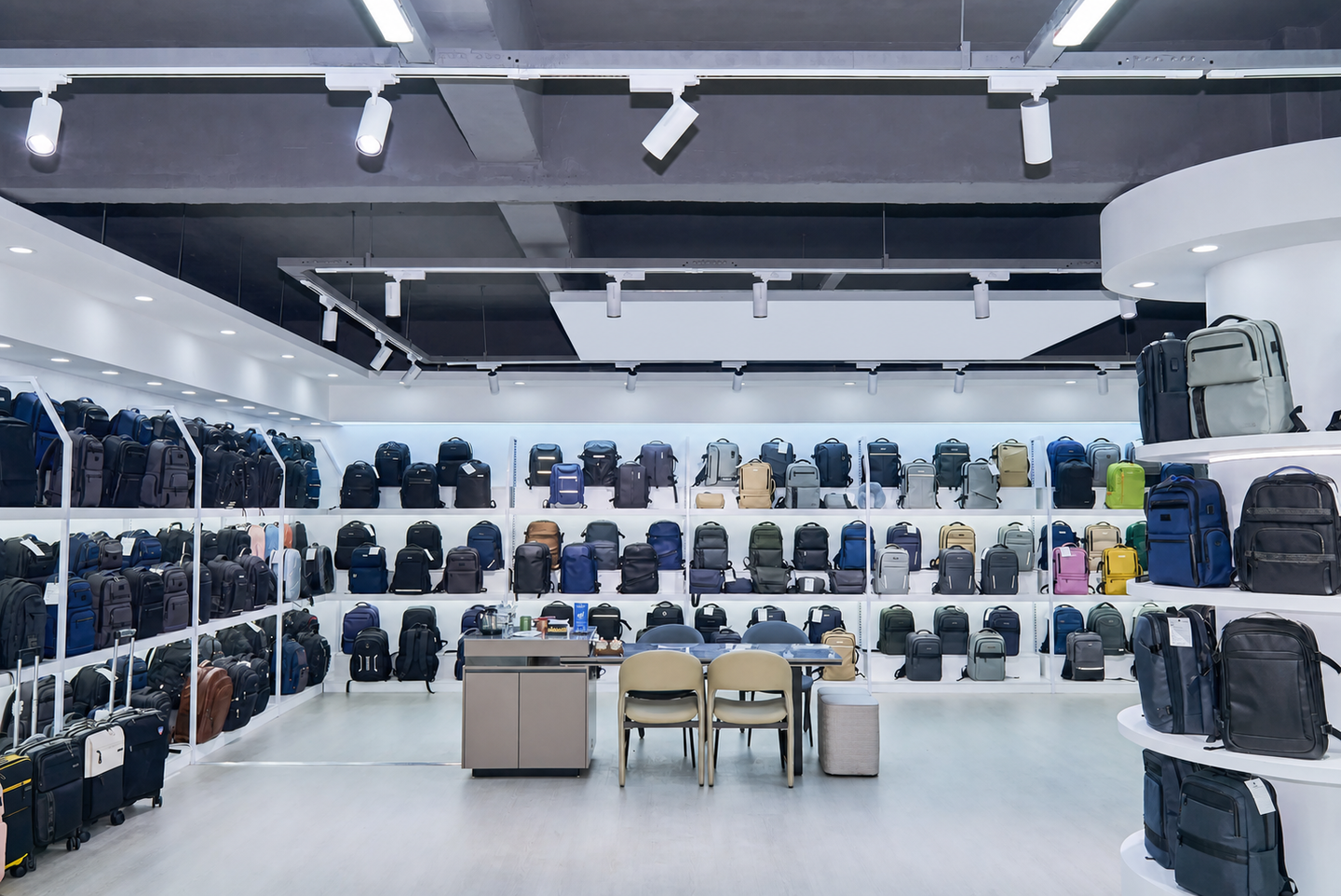
Customer-supplied photograph of the bag factory sample room with textile bags on display
Bag sample room · supplied factory photograph

How is the MOQ planned?

The reference is 100 pieces combined per style. Color splits, fabric minimums and component requirements are reviewed together; it does not mean every color can be ordered at any quantity.

When does the lead time start?

Sampling depends on the brief and material availability. Bulk timing is agreed after sample and specification approval, with materials and the production schedule confirmed.

See the factory tour
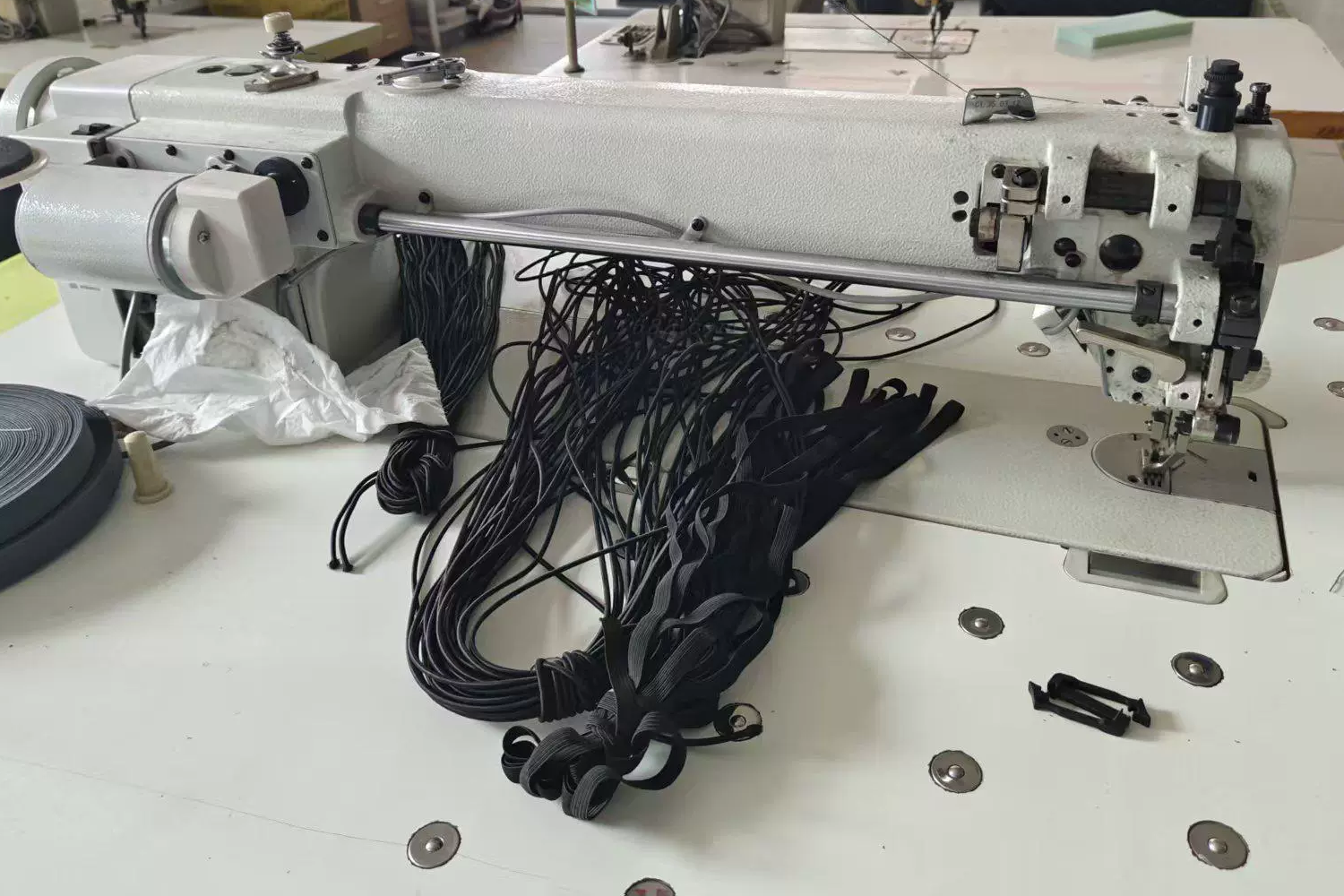
User-supplied photograph of industrial sewing equipment and prepared bag carrying components
Factory component-sewing equipment · supplied photograph

Bag quality checks and packing.

Use the approved sample and agreed specification to define what to inspect. The points below help set the scope; checks, tolerances and any testing are confirmed for each order.

Construction

  • Seam alignment and stitch consistency
  • Reinforcement at agreed attachment points
  • Edge finishing and the specified measurements

Function

  • Zipper travel and opening access
  • Strap adjustment and hardware operation
  • Pocket fit with the intended contents

Appearance

  • Artwork position, scale and color reference
  • Panel alignment and the agreed silhouette
  • Thread trimming and visible surface defects

Packing

  • Correct style, color and quantity breakdown
  • Unit labels and agreed protection
  • Carton marks and packing-list consistency

Ready for your receiving team.

Unit packing

Agree protection, hangtags and labels with the product specification.

Carton assortment

Define quantities, color splits and carton identification for receiving.

Shipment handoff

Confirm packing information and coordinate the agreed shipping instructions.

Testing scope and third-party requirements are agreed for each order.

Build your bag quality control checklist

A useful brief starts with the essentials.

You do not need a finished tech pack to start. Share what you have and we will identify the next decisions together.

Start your briefView product references
Chat on WhatsApp