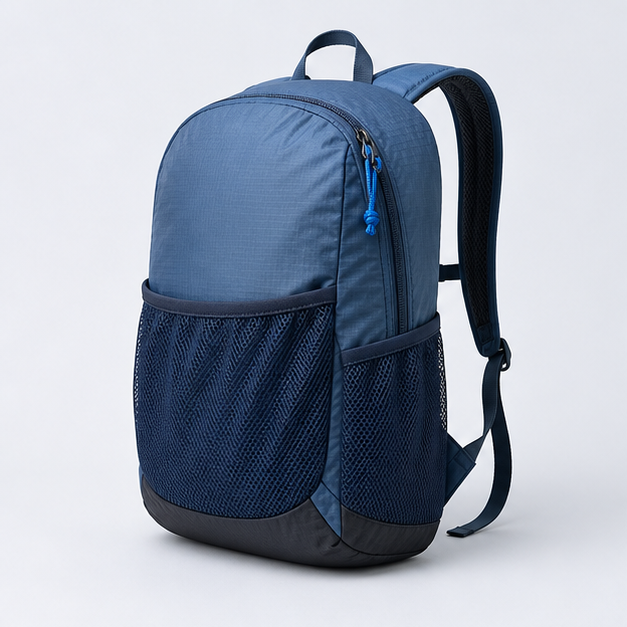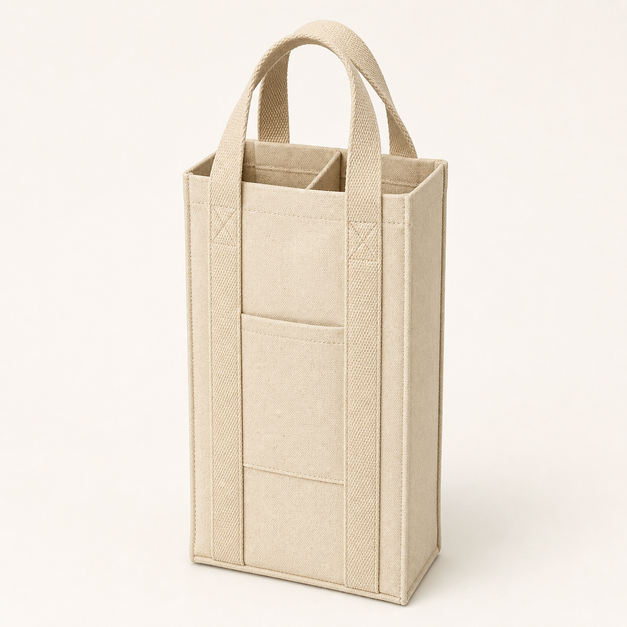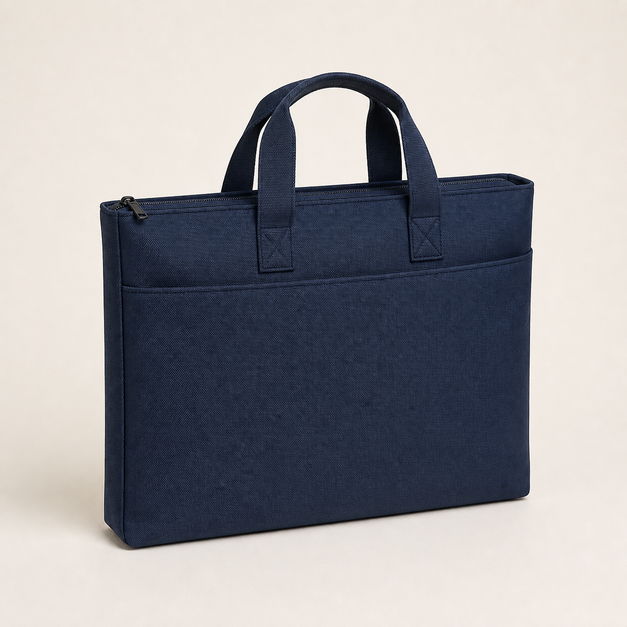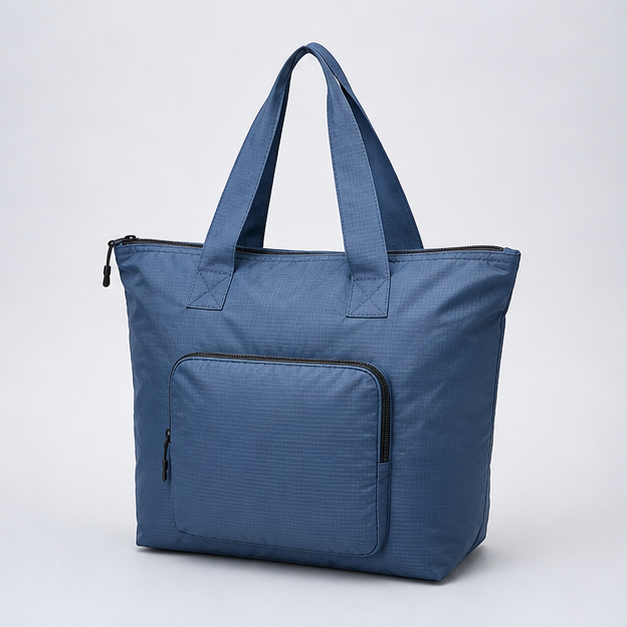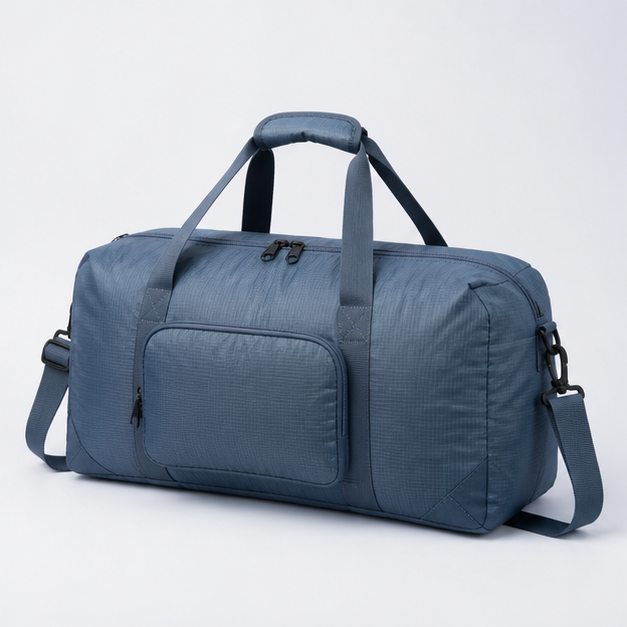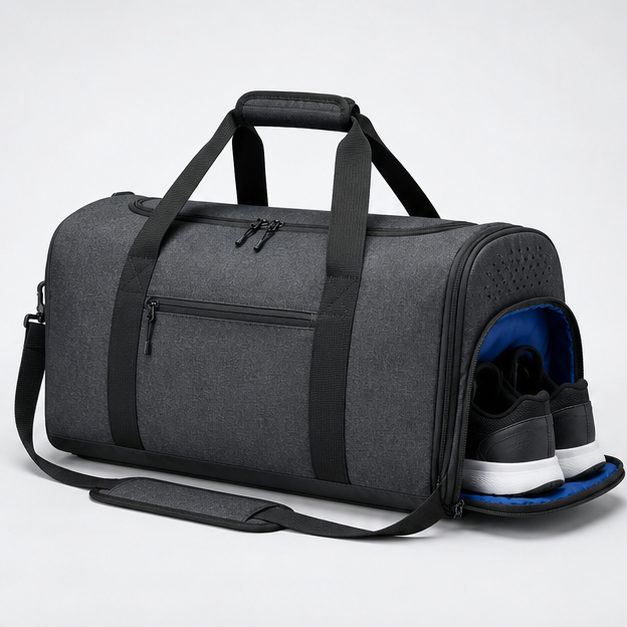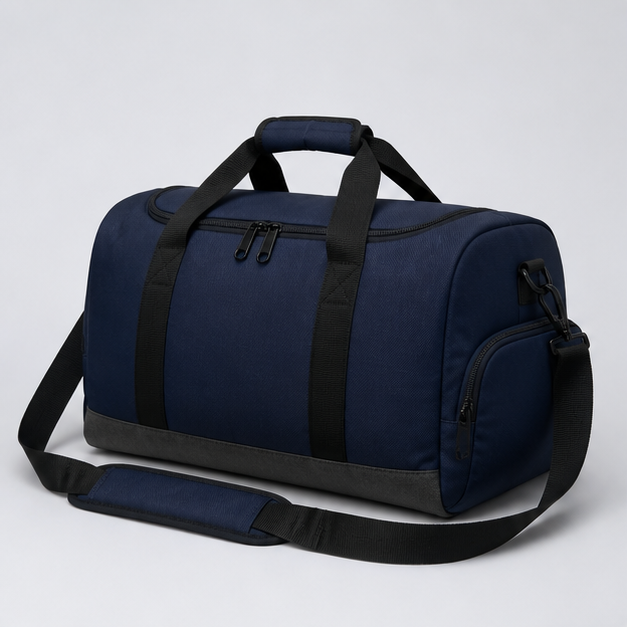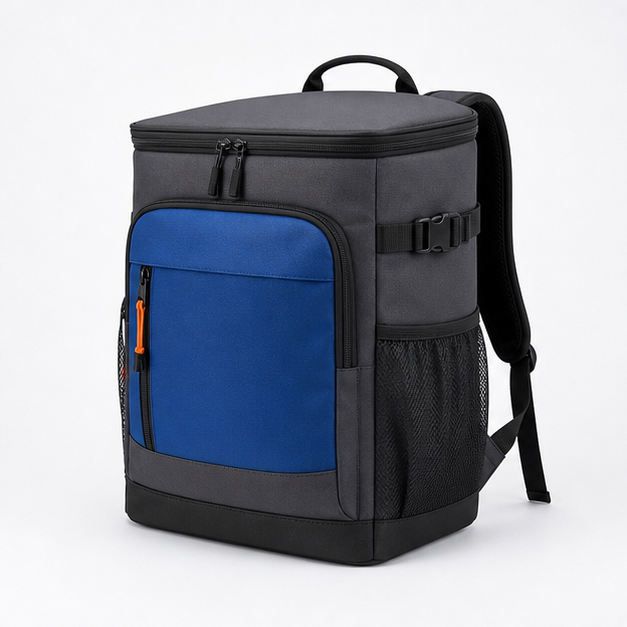
Backpacks
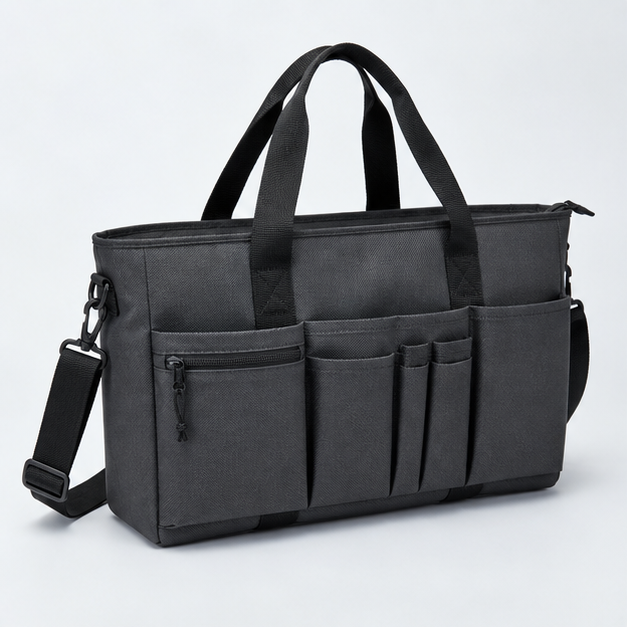
Axis Convertible Tote Backpack
OEM multiway work-bag programs for brands and procurement teams
Reference sizeSpecified to the project brief and confirmed during sampling
View designCompare made-to-order bag formats for B2B specification development and bulk-production planning. Each reference helps buyers discuss construction, materials and customization decisions.
Browse all designsChoose a format, then review its construction and customization options.
OEM multiway work-bag programs for brands and procurement teams
Reference sizeSpecified to the project brief and confirmed during sampling
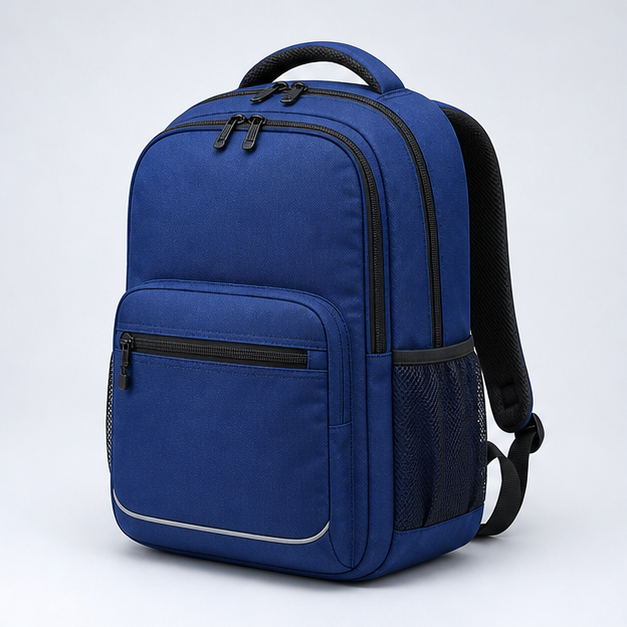
View designSchool-supply brands and education procurement
Reference size45 × 31 × 16 cm
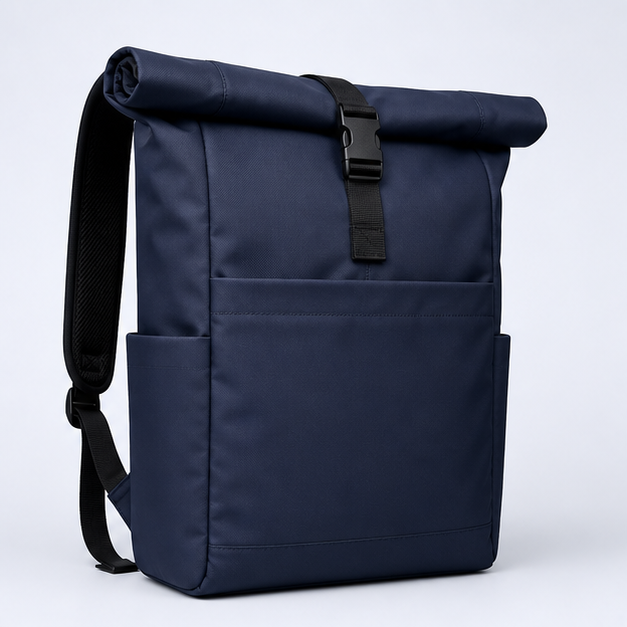
View designUrban-commuter backpack OEM programs
Reference size48 × 30 × 15 cm
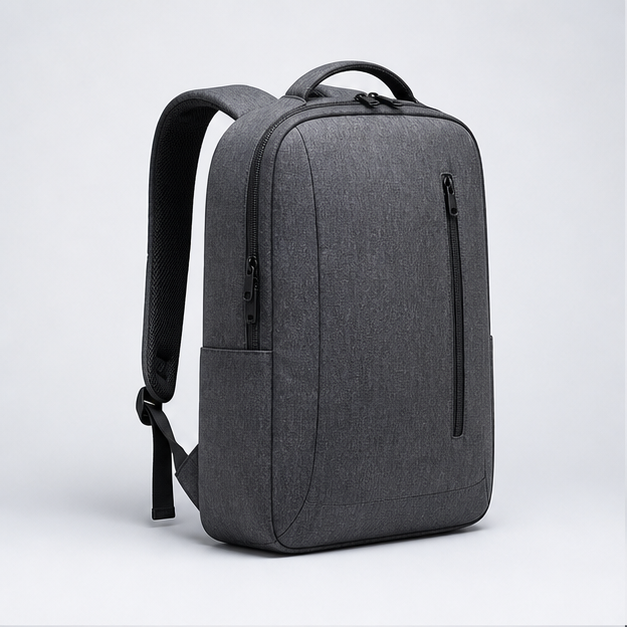
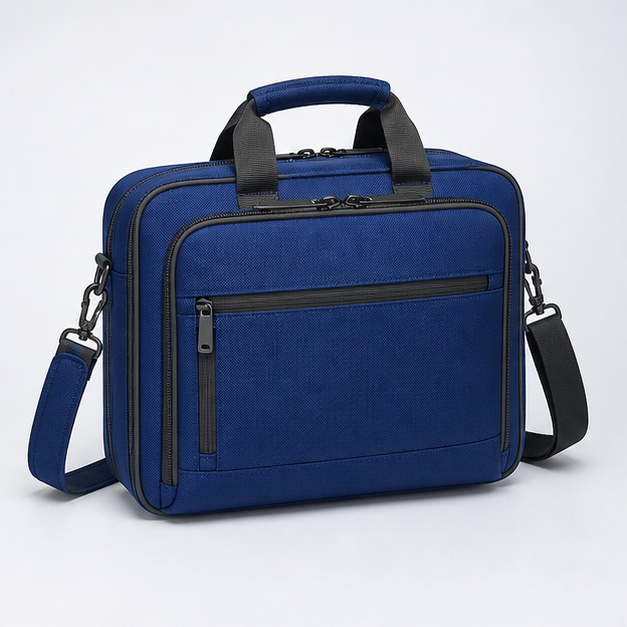
View designOEM laptop bag ranges for work-bag brands
Reference size44 × 30 × 14 cm
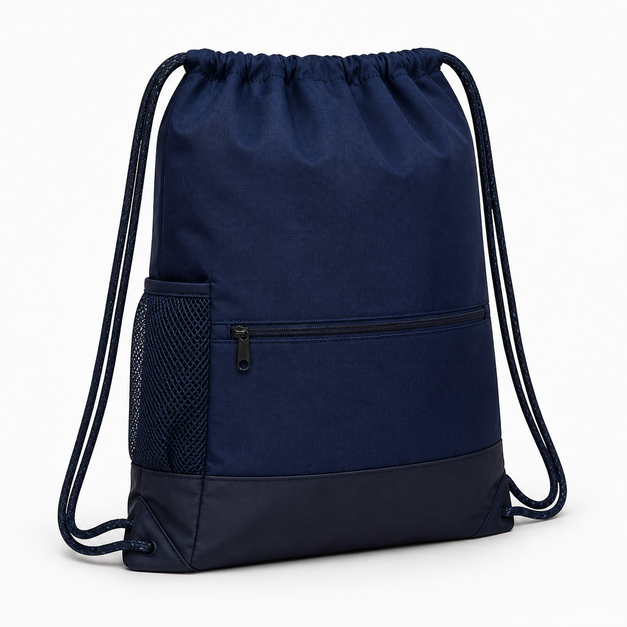
View designOEM sports, event and active-program bag ranges
Reference sizeSpecified to the project brief and confirmed during sampling
View designOutdoor-brand and distributor procurement
Reference size43 × 29 × 15 cm
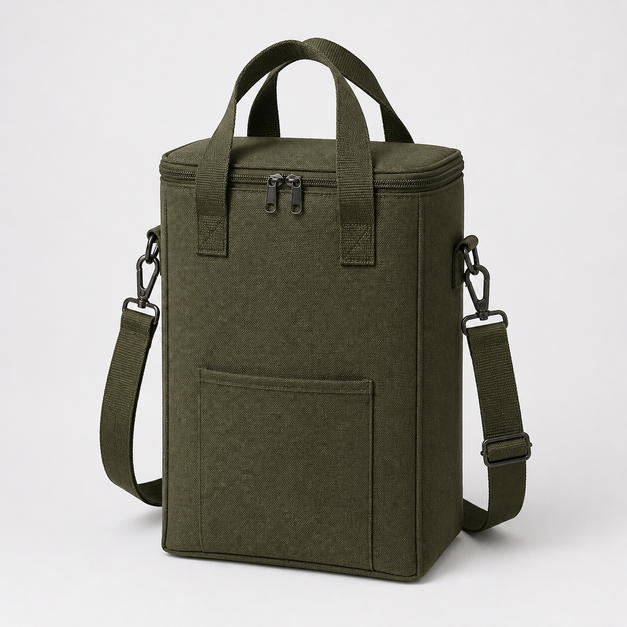
View designBeverage brands, presentation programs and divided-carrier procurement
Reference sizeSpecified to the project brief
View designConference organizers, event agencies and delegate-kit procurement
Reference sizeSpecified to the project brief
View designTravel-brand and corporate promotional procurement
Reference size42 × 36 × 12 cm
View designWorkwear brands and equipment-organizer procurement
Reference size38 × 30 × 16 cm
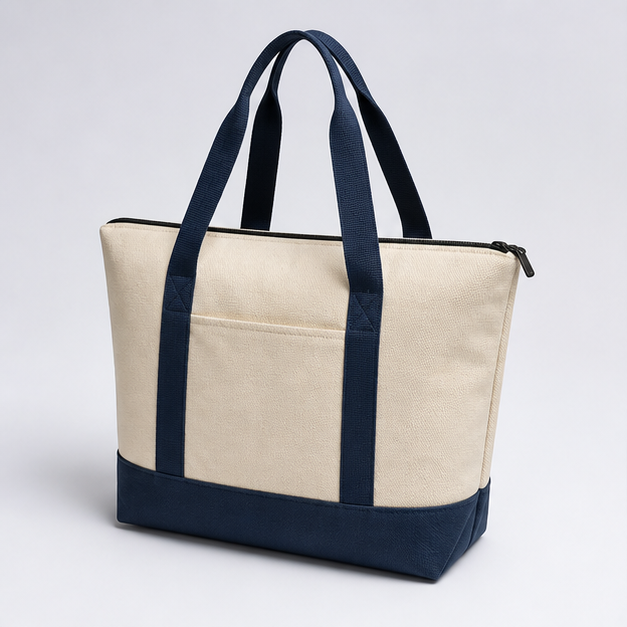
View designWholesale and corporate promotional programs
Reference size40 × 34 × 13 cm
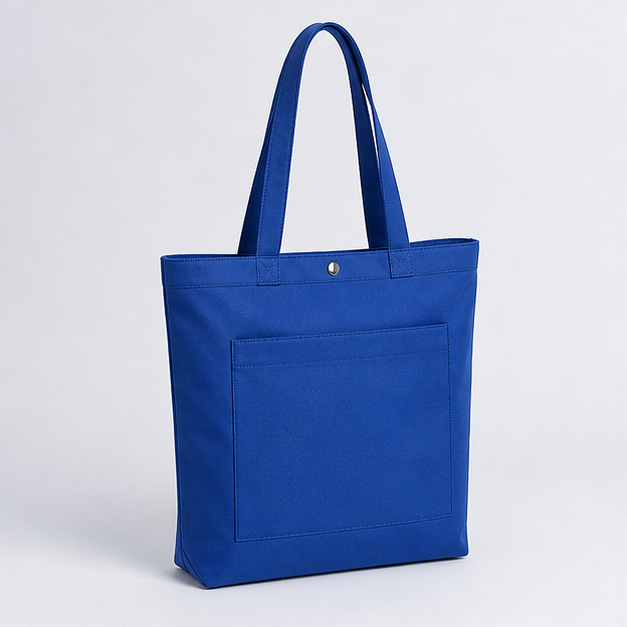
View designWork-bag brands and wholesale tote programs
Reference size36 × 31 × 12 cm
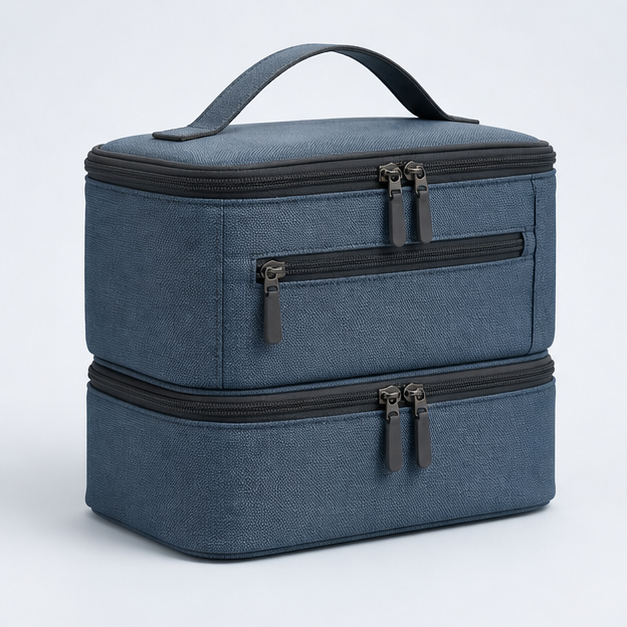
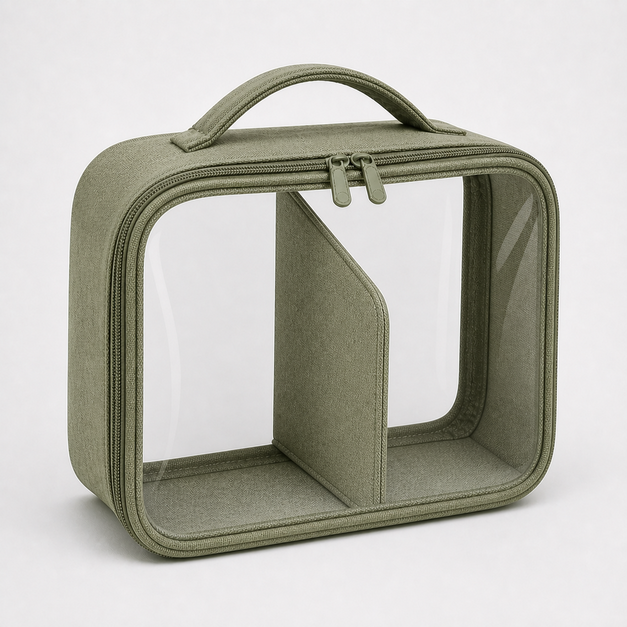
View designBeauty-brand travel collection development
Reference size25 × 17 × 14 cm
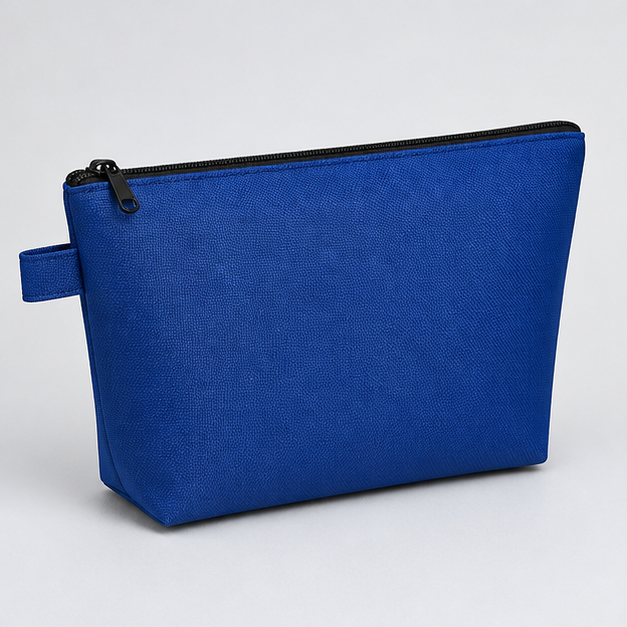
View designBeauty-brand sets and wholesale cosmetic procurement
Reference size22 × 15 × 5 cm
View designTravel-brand and hospitality procurement
Reference size26 × 20 × 9 cm
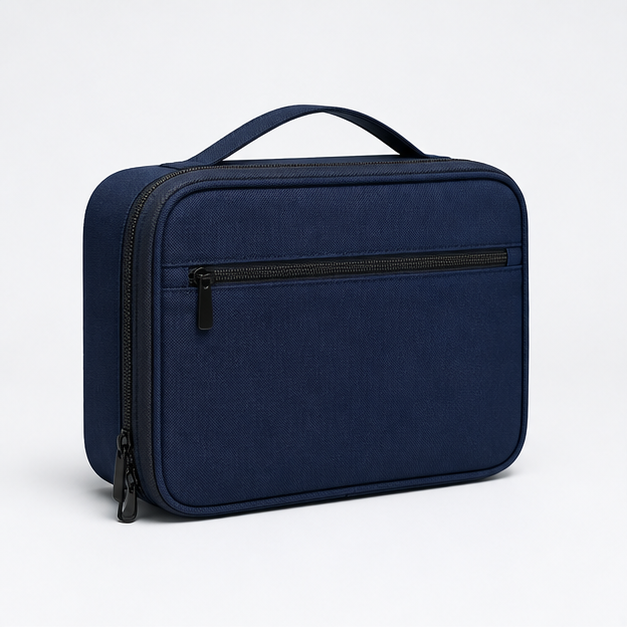
View designBeauty-brand and wholesale cosmetic programs
Reference size24 × 18 × 15 cm
View designBeauty brands, brush-set programs and private-label cosmetic organization
Reference sizeSpecified to the project brief
View designBeauty brands, organized cosmetic programs and private-label travel sets
Reference sizeSpecified to the project brief
View designTravel brands, hospitality programs and private-label accessory procurement
Reference sizeSpecified to the project brief
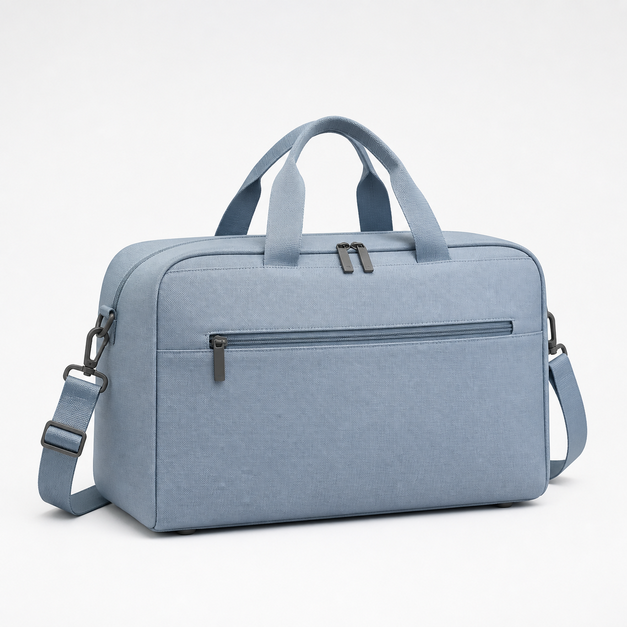
View designTravel-brand hand-luggage OEM programs
Reference size46 × 32 × 18 cm
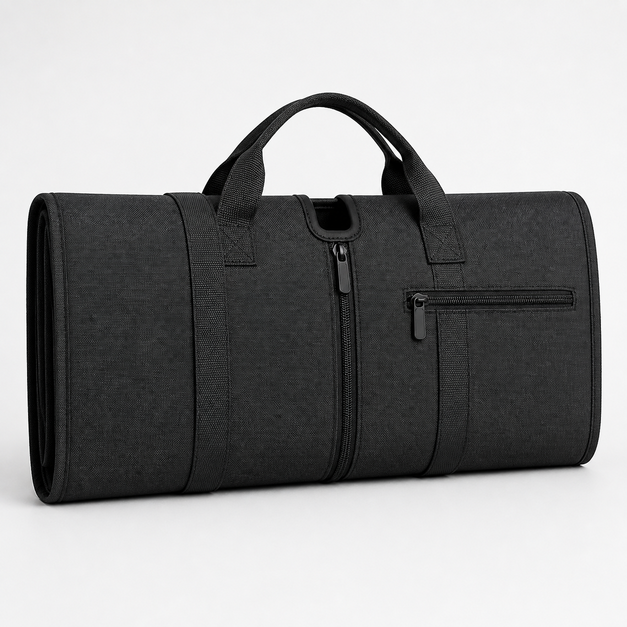
View designApparel brands, uniform programs and travel accessory procurement
Reference sizeSpecified to the project brief
View designTravel-brand and wholesale luggage programs
Reference size52 × 30 × 22 cm
View designFitness-brand and team-equipment procurement
Reference size50 × 27 × 25 cm
View designTravel-brand and hospitality procurement
Reference size48 × 28 × 23 cm
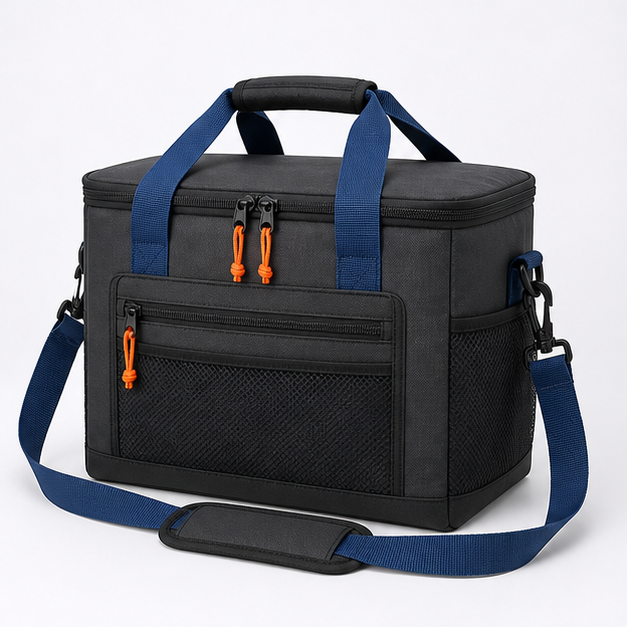
View designOutdoor-brand and delivery-equipment OEM programs
Reference size42 × 30 × 20 cm
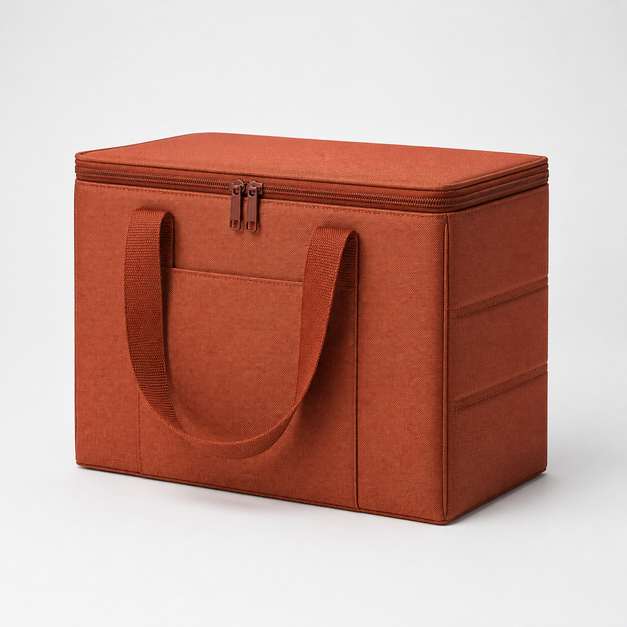
View designGrocery, event and branded insulated-tote procurement programs
Reference sizeSpecified to the project brief
View designOutdoor-brand and corporate-event procurement
Reference size34 × 28 × 25 cm
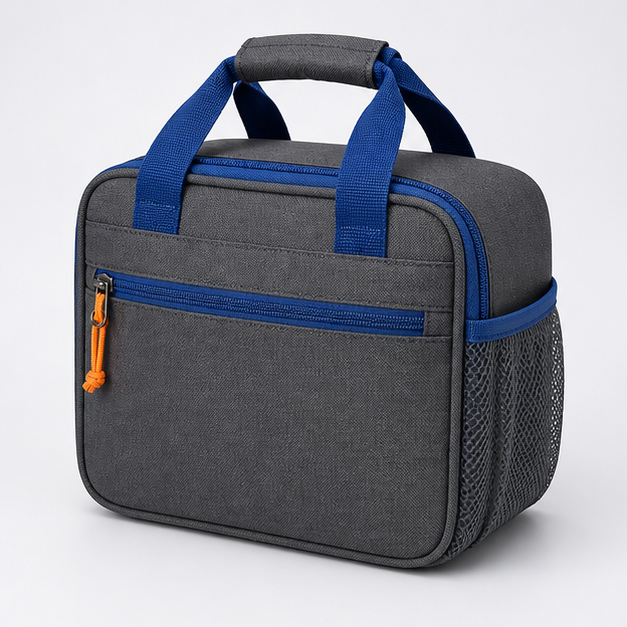
View designCorporate meal-carry and wholesale lunch-bag programs
Reference size25 × 21 × 14 cm
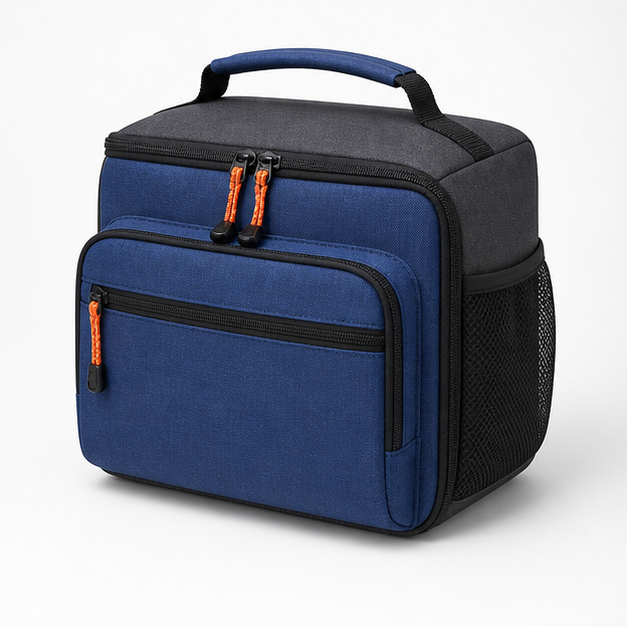
View designSchool-supply and corporate lunch-bag procurement
Reference size24 × 20 × 16 cm
View designWine-brand, beverage-distributor and presentation-program procurement
Reference sizeSpecified to the project brief
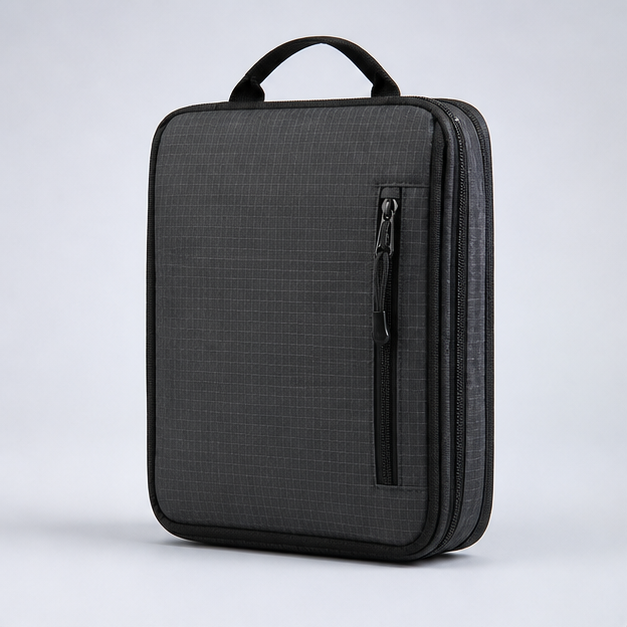
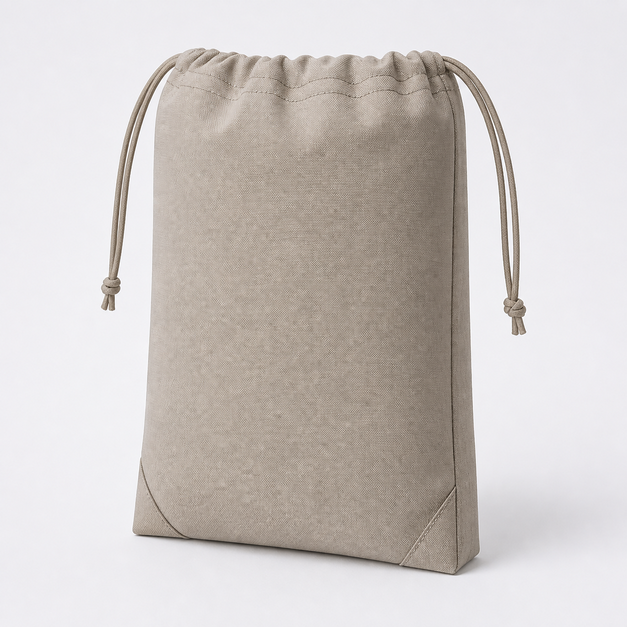
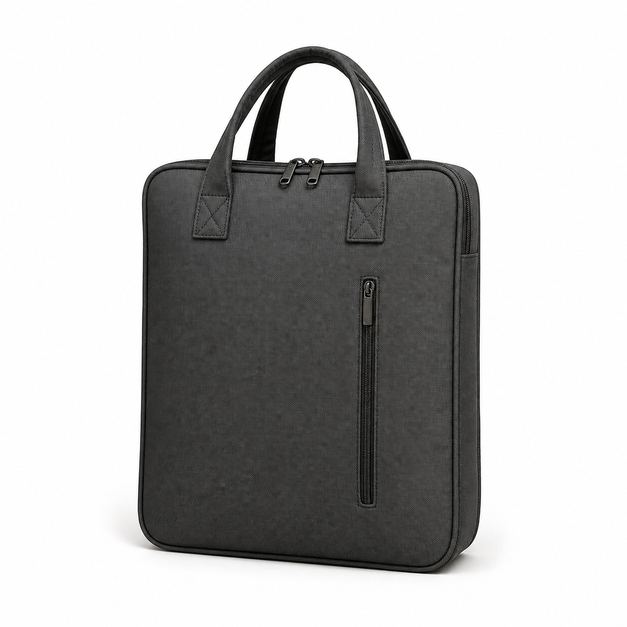
View designTravel-brand and corporate document-kit procurement
Reference size26 × 18 × 3 cm
View designField-service, maintenance-kit and OEM component organization programs
Reference sizeSpecified to the project brief
View designTravel-brand and luggage-organizer OEM programs
Reference size35 × 25 × 10 cm
View designWholesale equipment-kit and organizer programs
Reference size24 × 16 × 8 cm
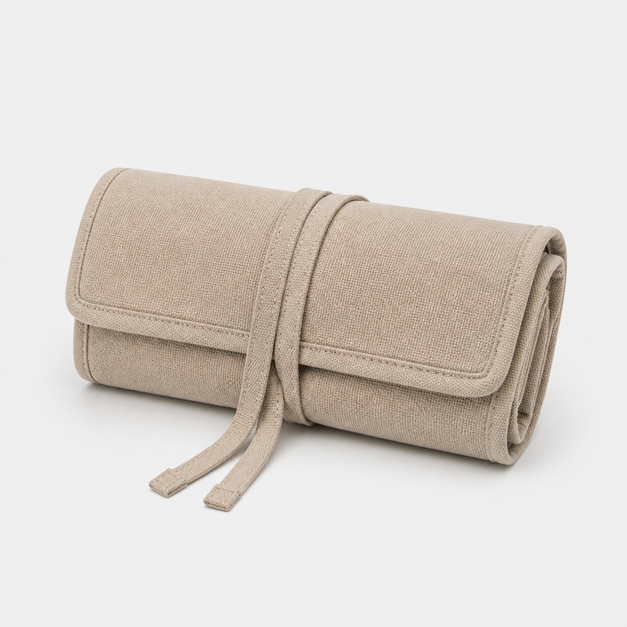
View designFootwear, travel-accessory and hospitality procurement programs
Reference sizeSpecified to the project brief
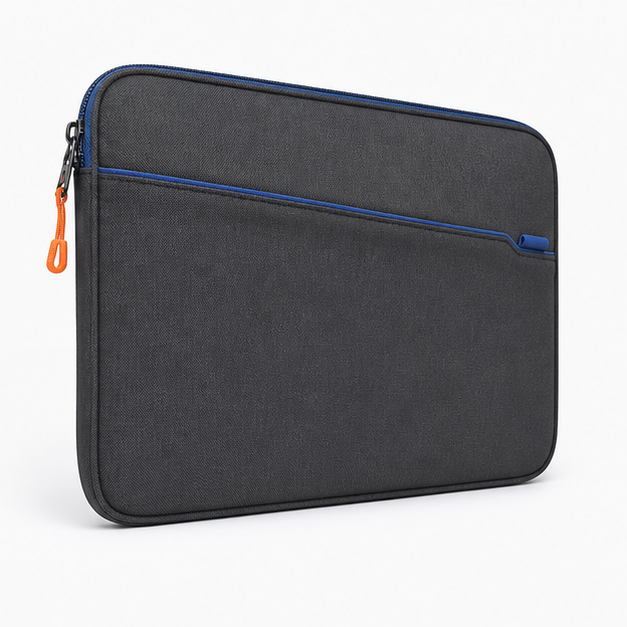
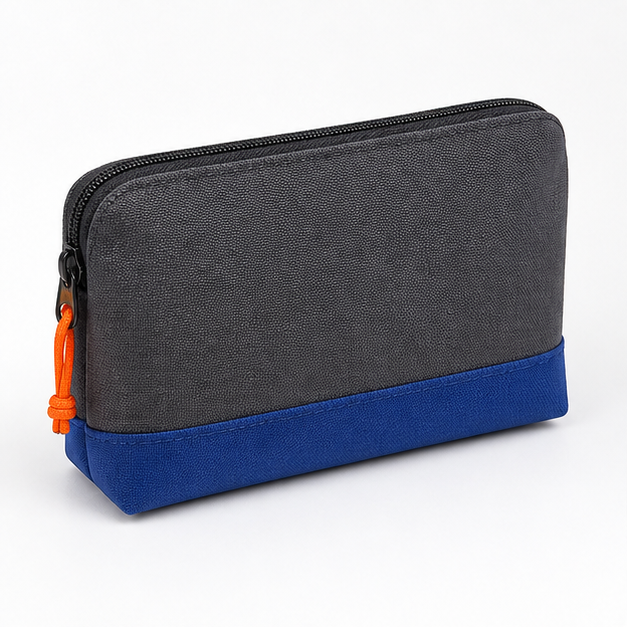
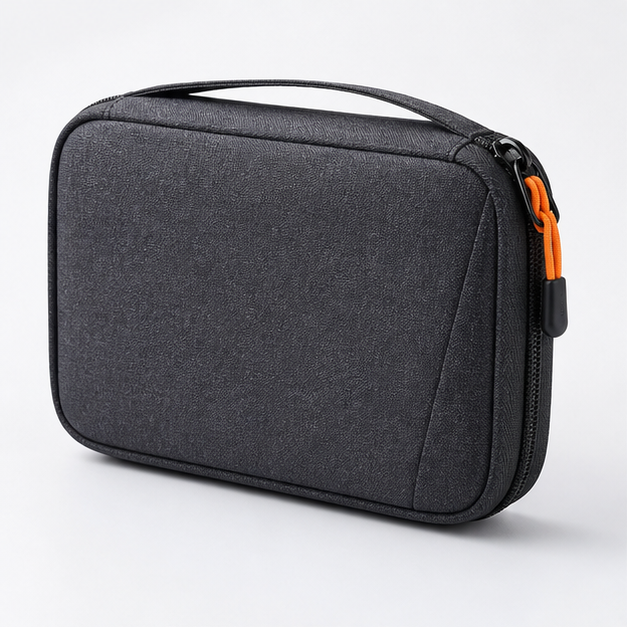
View designTech-brand and corporate accessory procurement
Reference size22 × 15 × 6 cm
View designMATERIAL LIBRARY
Compare the shell, lining and structure as a set. Start with the use, then agree the material details on your sample.
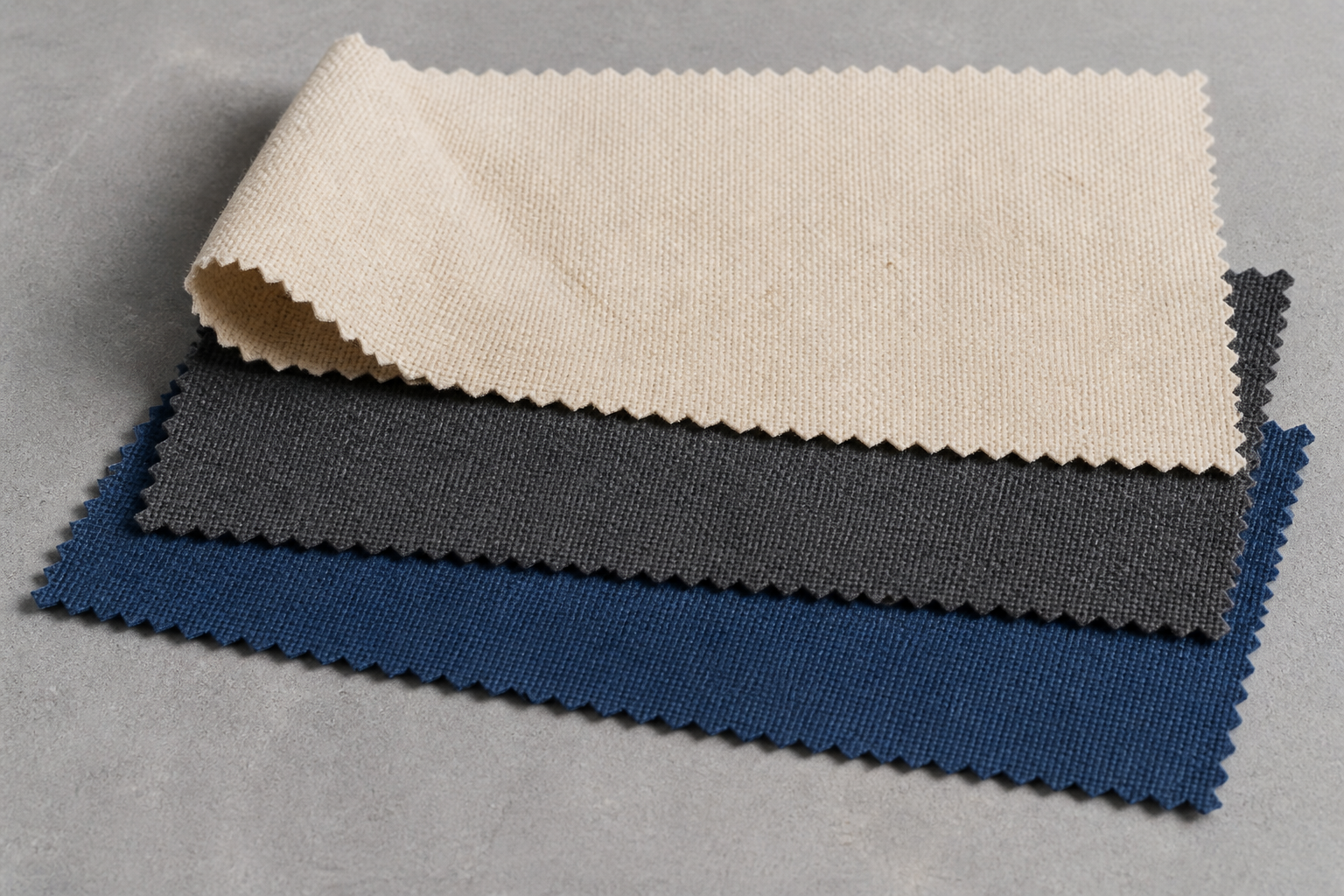
A tactile starting point for totes and pouches. Specify fiber content, fabric weight, shade and the planned print or embroidery method.
Review hand feel, body shape, seams and decoration on the selected cloth. A different weight can change both drape and packed thickness.
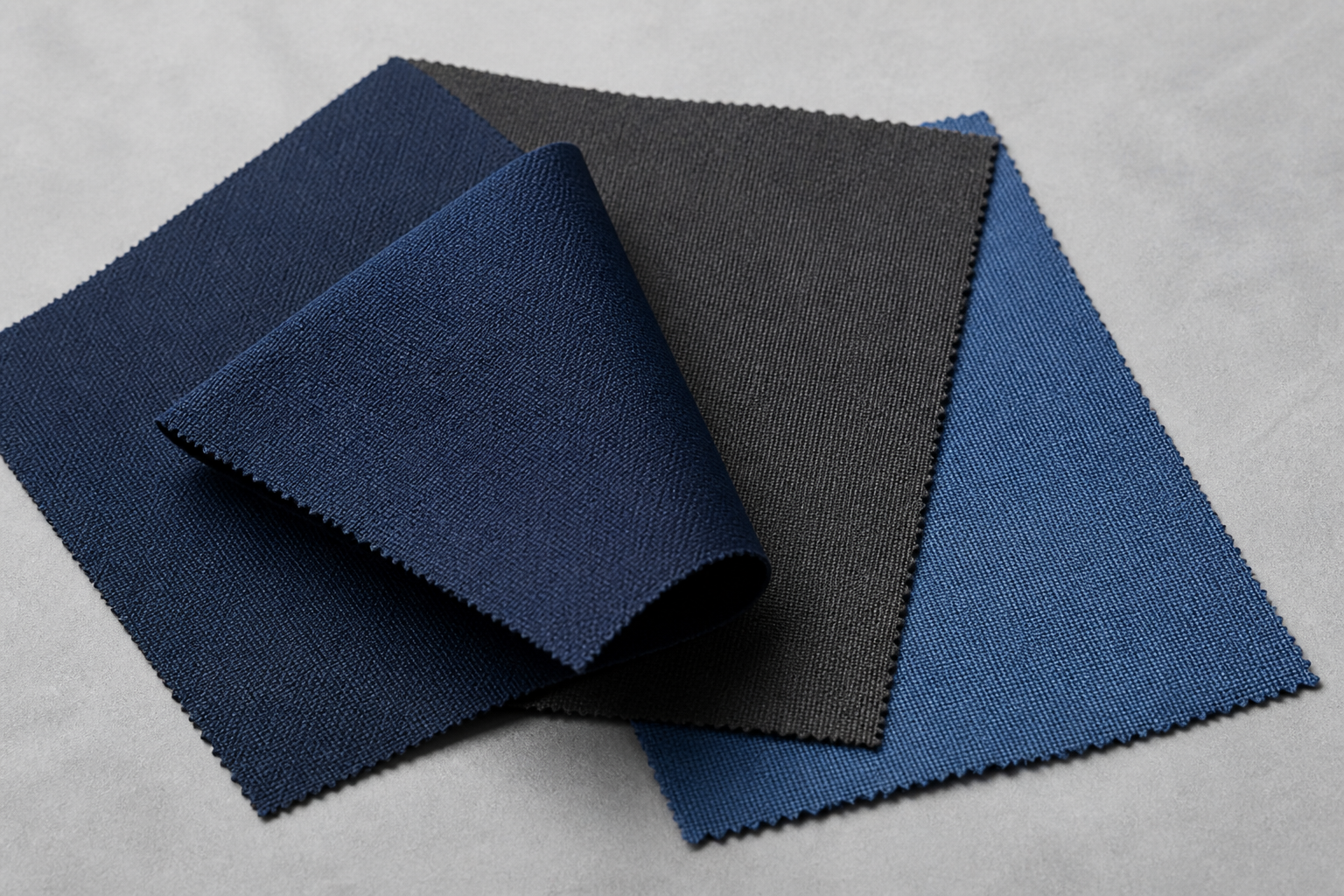
A shell direction used across work, school, utility and travel formats. Set weave, backing and finish around the intended use rather than choosing by color alone.
Compare the swatch with the zipper, webbing and lining. A coating or recycled-content request needs its own specification and evidence.
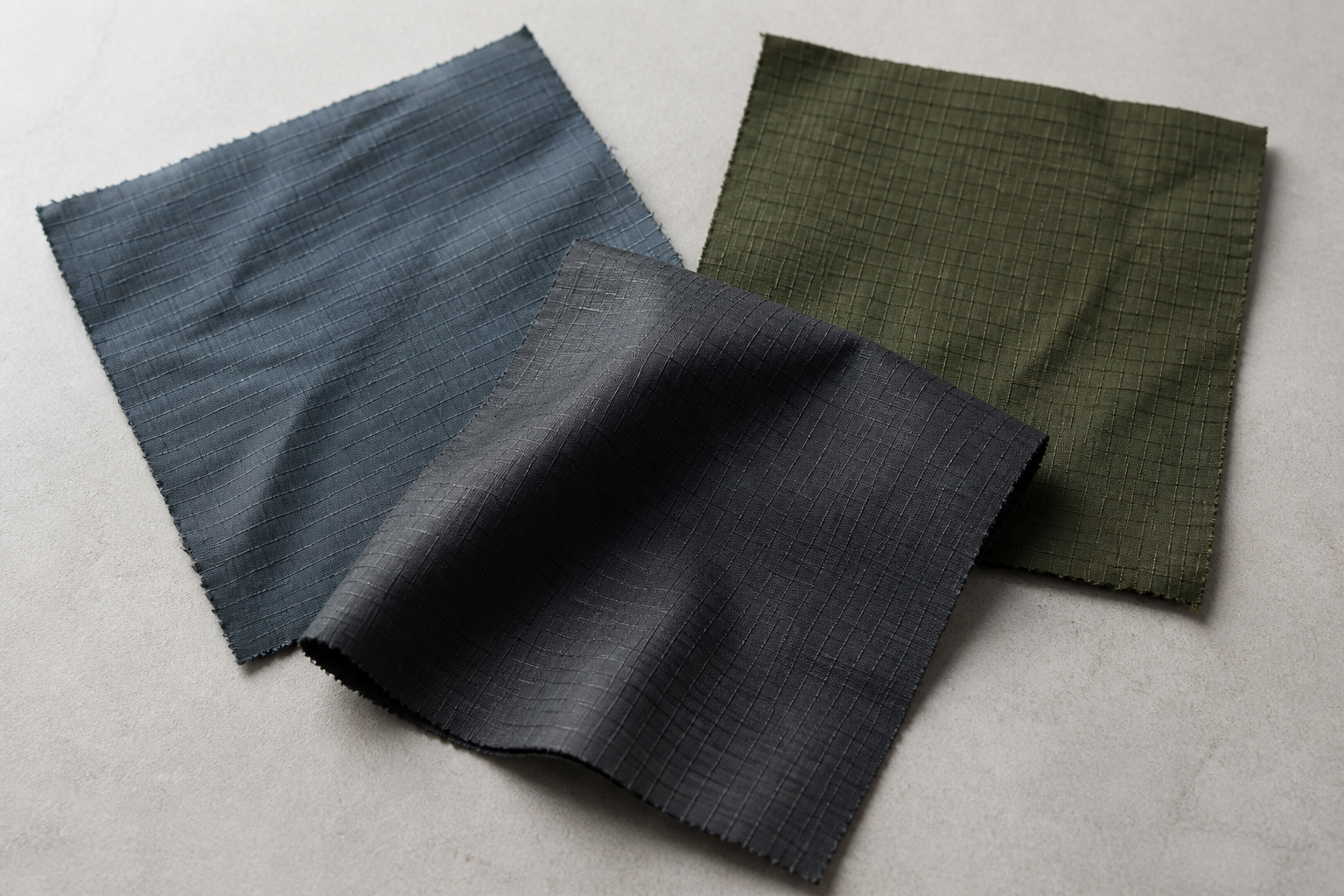
A grid-weave direction for flexible, lightweight or packable formats. Confirm fiber, weight and surface finish before fixing the folding construction.
Try the completed fold, pocket and handle arrangement. The ripstop appearance is not a substitute for an agreed strength or moisture test.
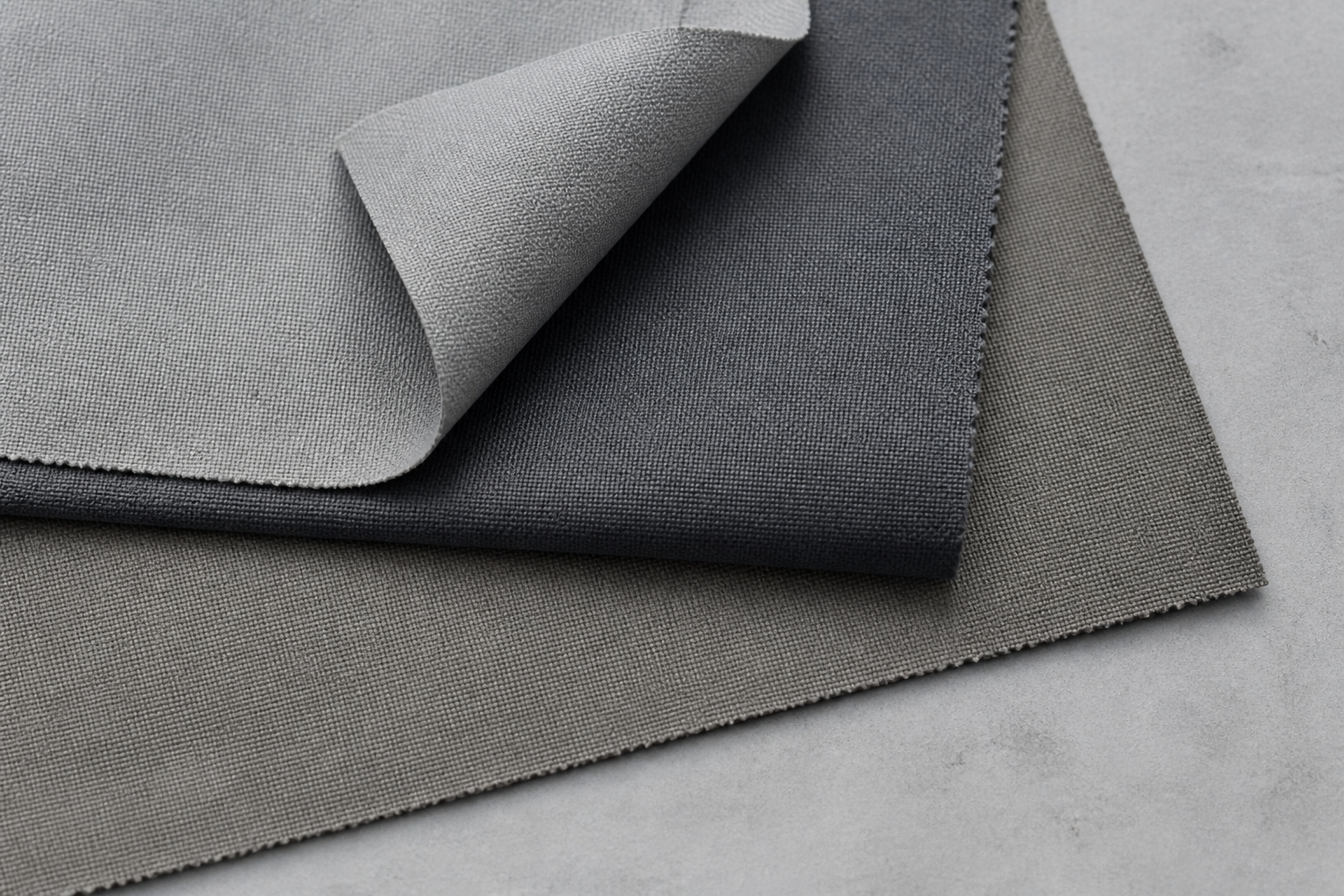
Choose the inner finish alongside the contents: color, hand feel, pocketing and how the lining attaches to the shell all affect the development.
Review seam finish, access and fit with actual contents. Soft, wipe-clean or protective requirements should be specified rather than inferred from a photo.
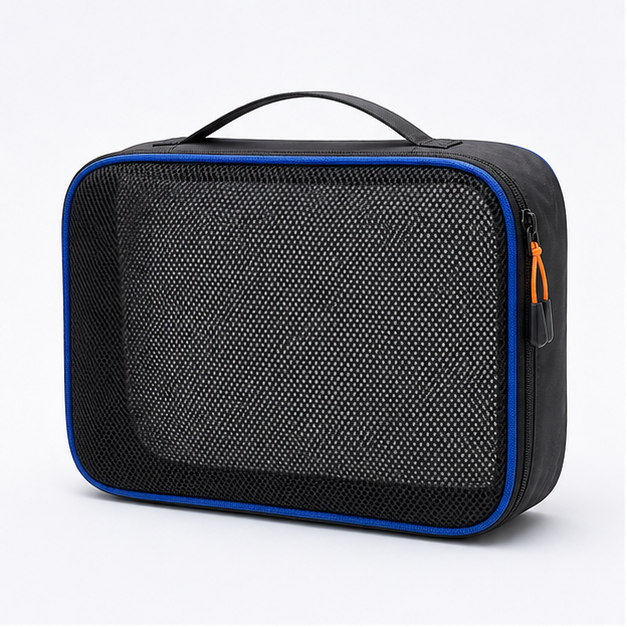
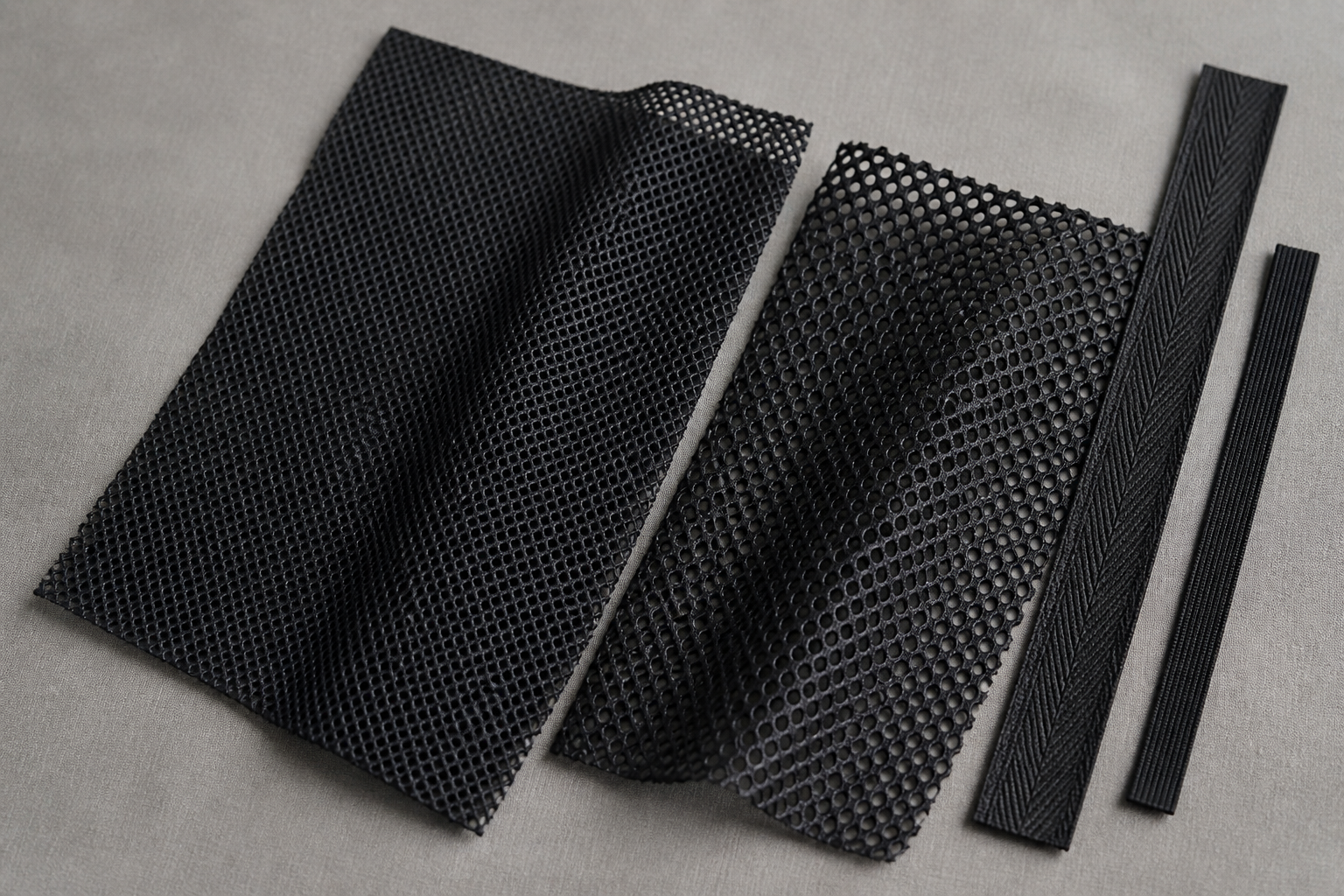
Mesh can provide visibility or form an external pocket. Specify opening, stretch direction, binding and the items it is intended to hold.
Use the real bottle, cable or accessory to review insertion and retention. A mesh pocket is not automatically suitable for every item size.
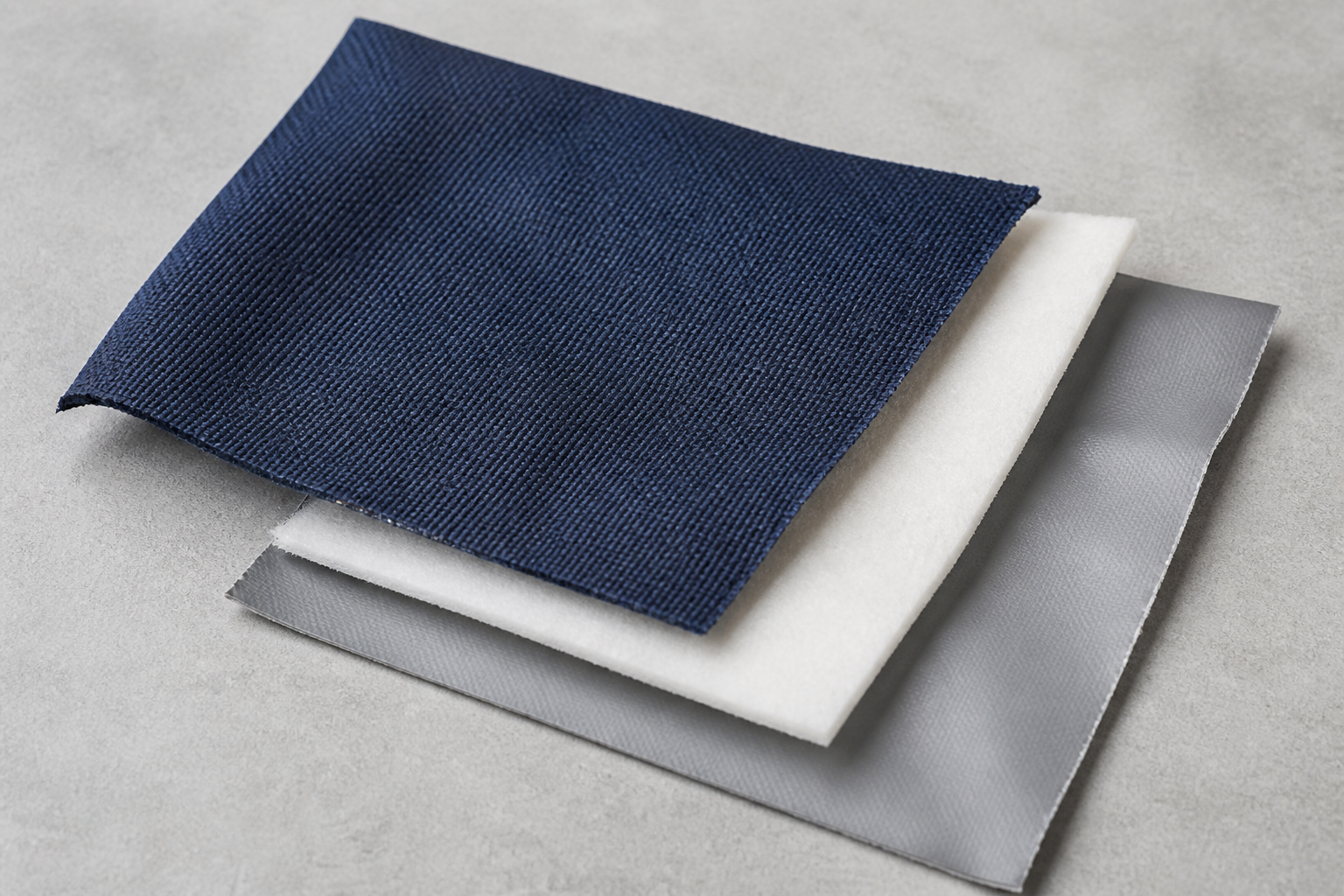
Cooler and lunch formats need the shell, insulation and liner defined as a stack. Set usable capacity and the required use conditions before choosing thickness.
Check internal clearance and closure with the intended containers. Thermal duration, food contact and leak resistance require separately agreed evidence.
Illustrative material studies, not verified swatches or test results. Final composition, construction and any performance claim require approval and supporting evidence.
BEYOND THE OUTER SHAPE
A useful customization brief covers how the bag is used, how it is finished and how it reaches your customer.
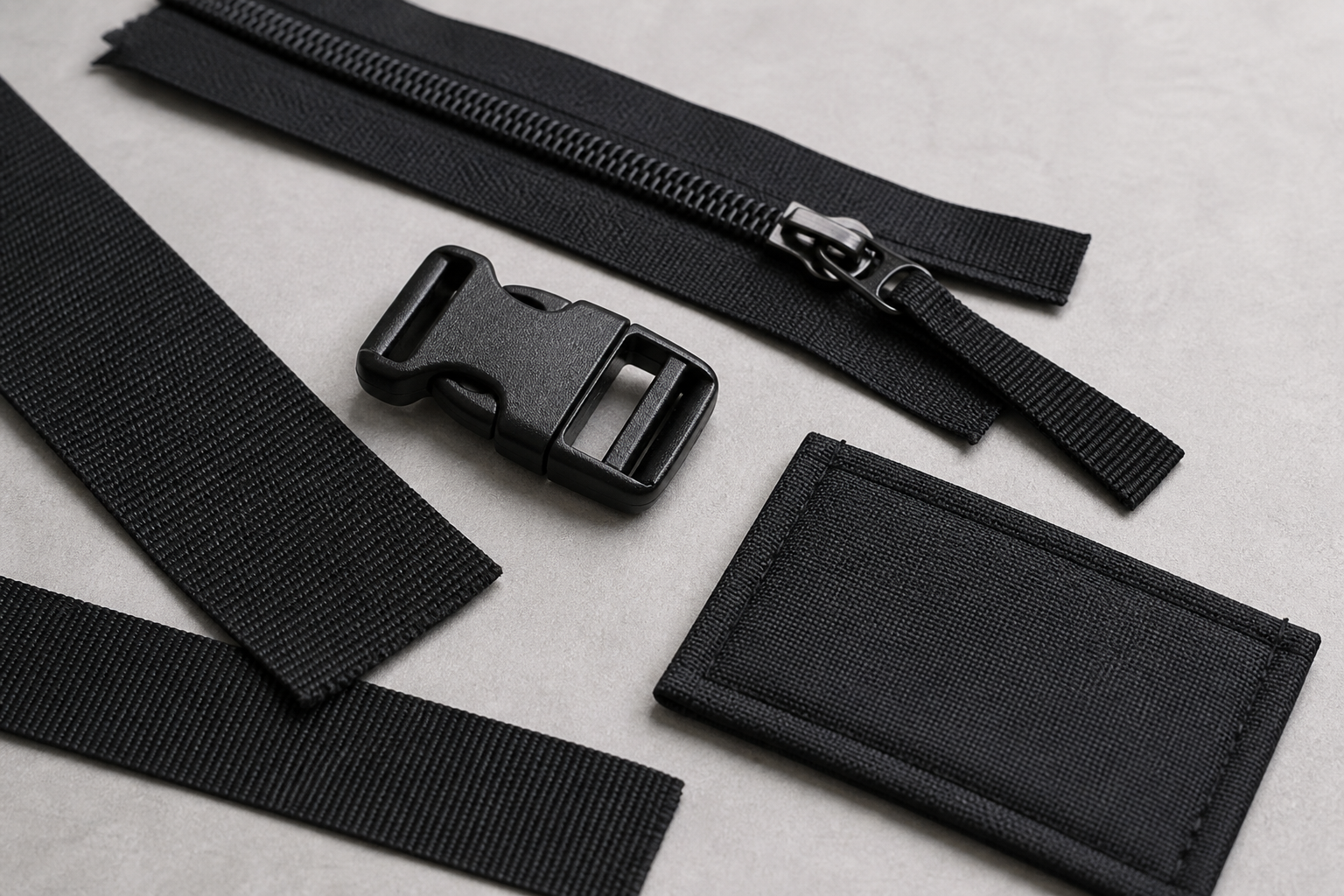
Specify zipper direction, puller shape, handle drop and strap adjustment. Match attachment points to the intended load, then review them together on a filled sample.
Send: carry method, contents and preferred hardware finish.
Map the items that need separate access. Pocket depth, lining, mesh and padding should follow those items rather than repeating the same layout across different bag types.
Send: item dimensions and a simple compartment sketch.
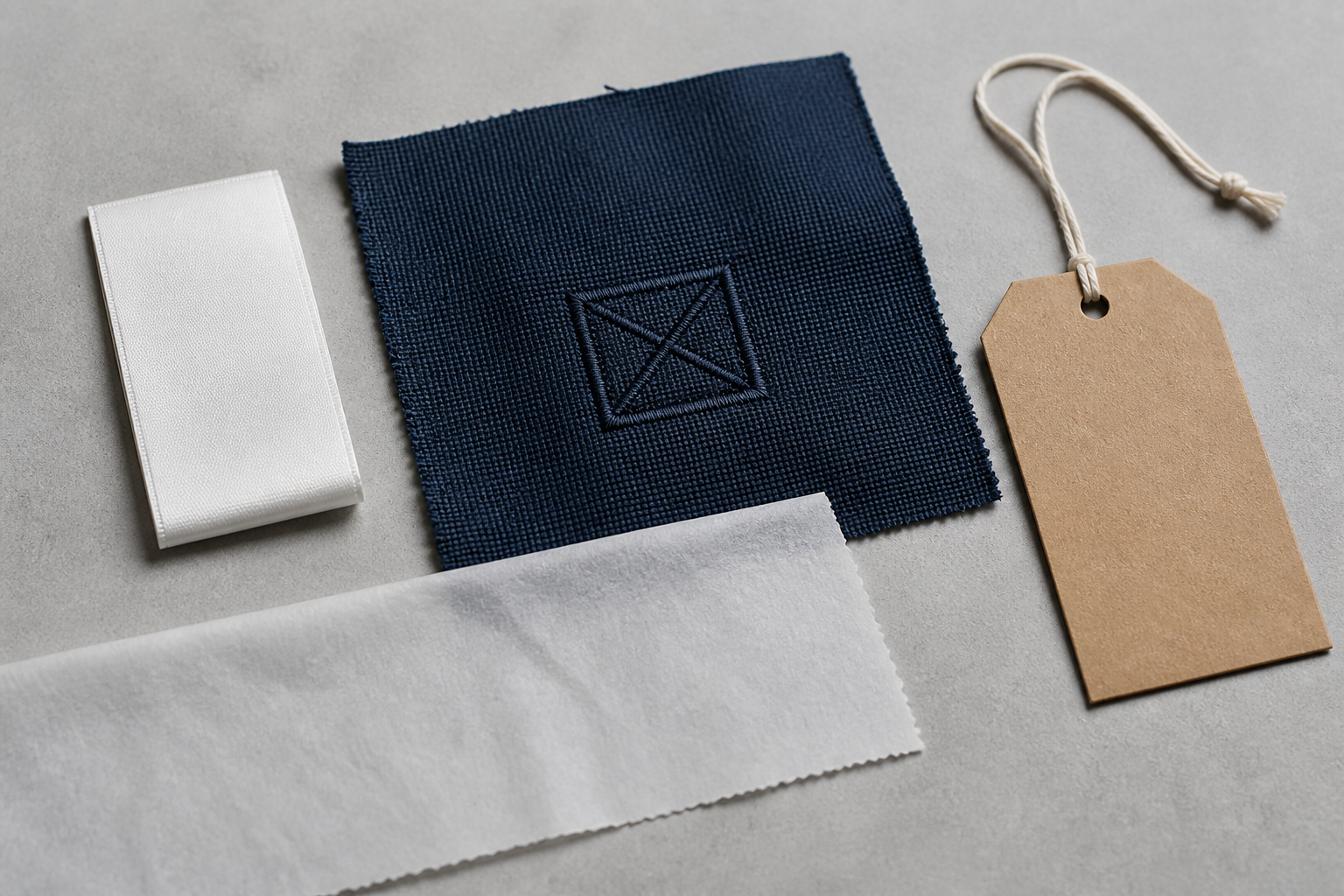
Choose print, embroidery or labels with the selected fabric. Confirm artwork scale, placement, individual packing and carton identification before bulk approval.
Send: artwork files, placement references and packing needs.
Illustrative material studies, not verified swatches or test results. Final composition, construction and any performance claim require approval and supporting evidence.
DEVELOPMENT ROUTE
Use a catalog reference, your own drawing or an existing sample. The approval points stay explicit whichever route you start from.
Share use, size, quantity by style and color, artwork and target timing.
Review outputA reviewed scope with open questions recorded.
Compare shell, lining, trims and any required performance criteria.
Review outputA proposed material set and sample specification.
Check the sample with the actual contents and record changes.
Review outputFit, function and appearance comments for revision.
Confirm the revised sample, measurements, materials and branding.
Review outputAn agreed reference for bulk production.
Agree the inspection points and any required test scope.
Review outputProduction checks against the approved specification.
Set unit packing, carton marks and shipping requirements.
Review outputPacking information and coordinated dispatch arrangements.
Planning references: MOQ 100 pieces combined per style; sampling typically 7–10 days; bulk typically 30–45 days after approvals. Final timing depends on the specification, materials and order schedule.
These designs are starting points. You can also bring a sketch, a tech pack or an existing sample and tell us what needs to change.
Tell us who carries the bag, what goes inside and where it is used. Add dimensions or a contents list if you have them.
Identify the fabric, layout and brand details you want to keep or change. Reference images help make those decisions clear.
Share quantities by style and color, target timing and packaging needs. We can review these inputs before sampling.