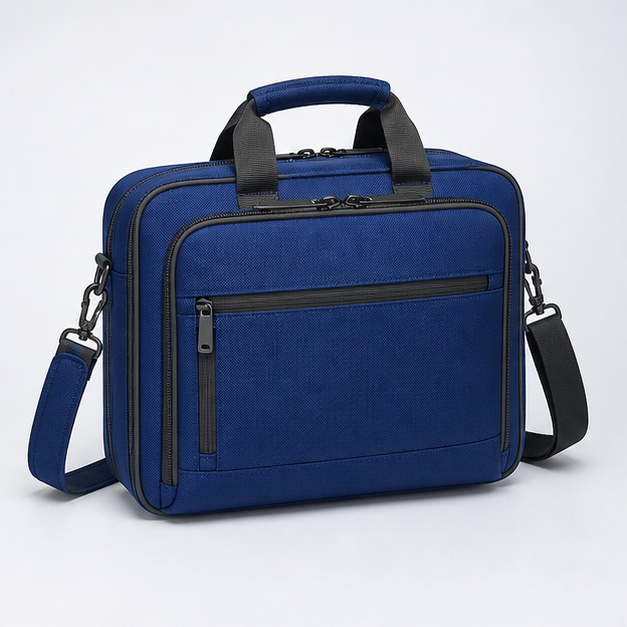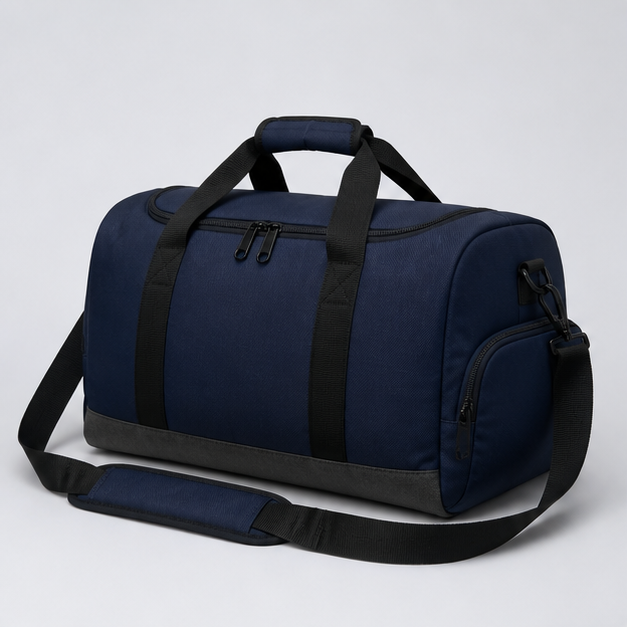
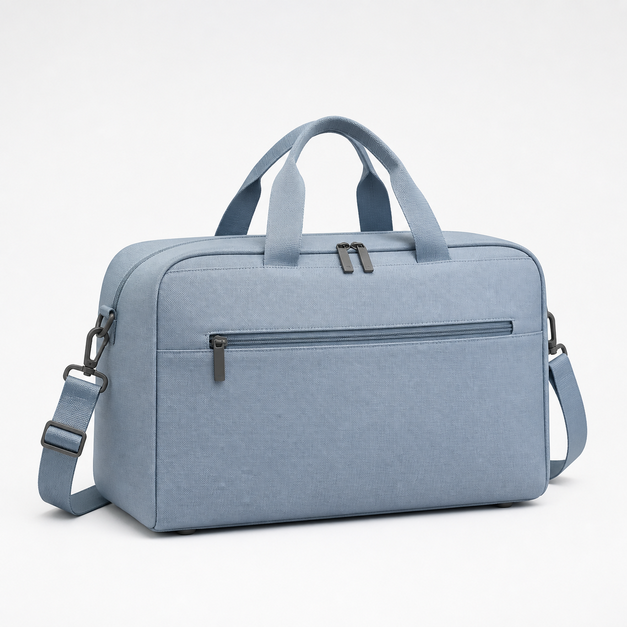
Cabin Underseat Travel Tote
Travel brands, hospitality programs and private-label accessory procurement
Reference sizeSpecified to the project brief
- Body proportion and opening
- Handle and shoulder-strap configuration
OEM travel and duffel bag manufacturing for brands, importers and wholesale programs. Compare weekender, gym, packable and carry-on specifications, then define capacity, carrying systems and internal organization.
Discuss your travel bag project B2B manufacturing references. Specification and quantities confirmed through sampling.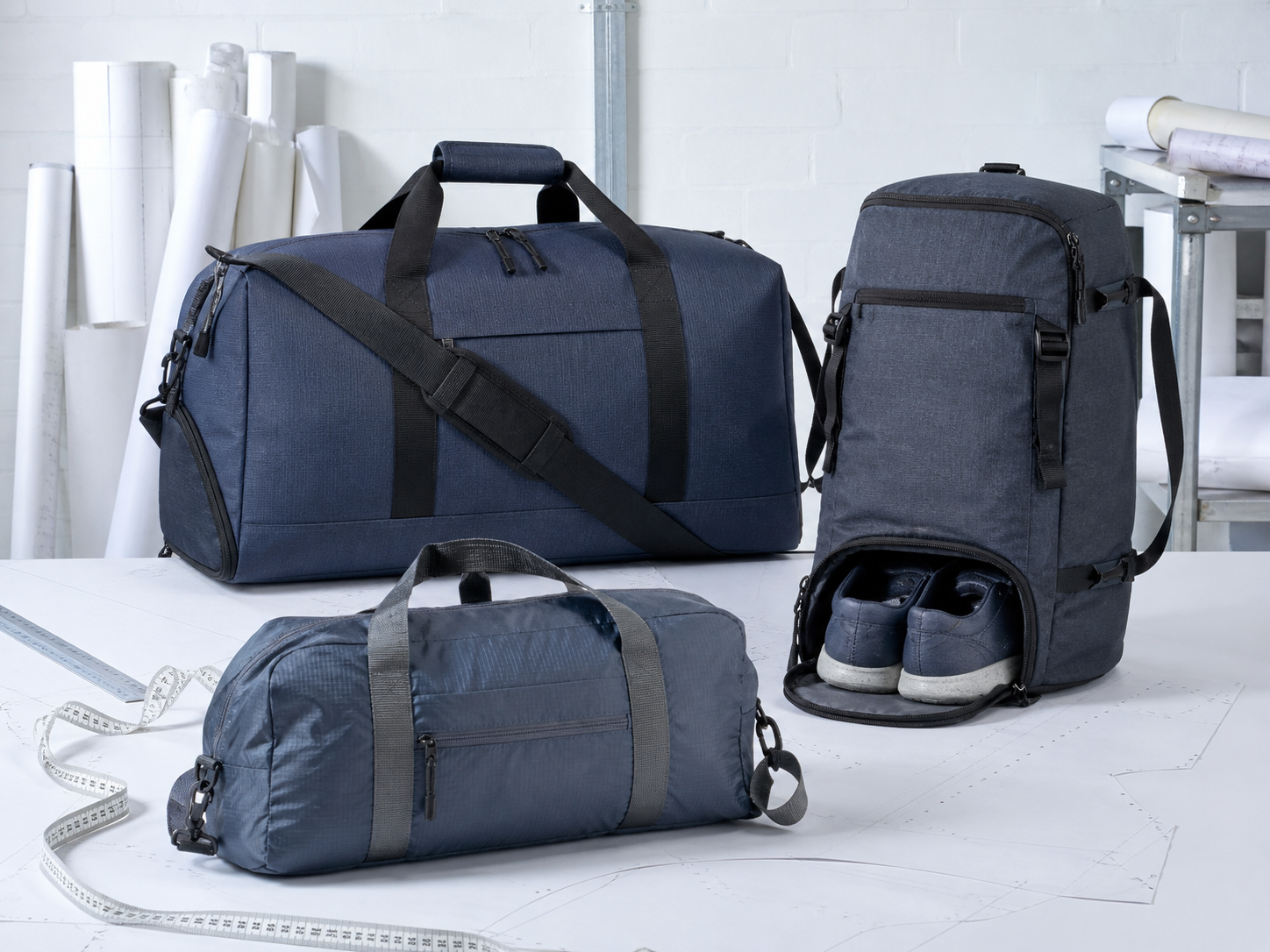
6 development references
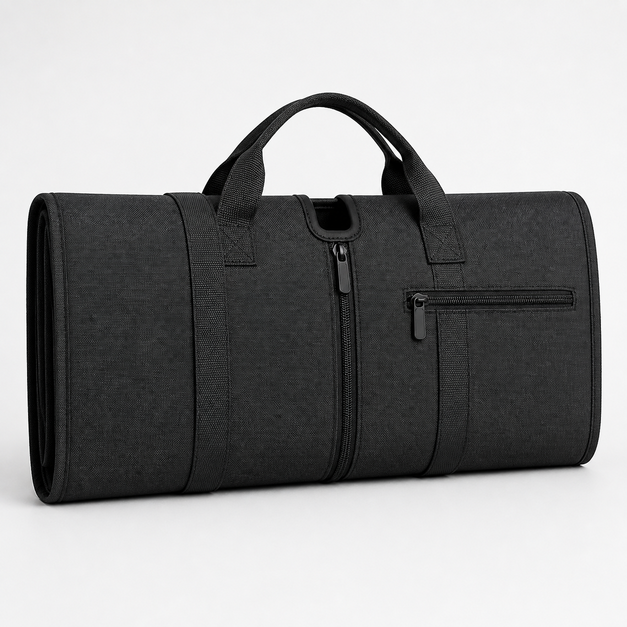
Travel brands, hospitality programs and private-label accessory procurement
Reference sizeSpecified to the project brief
Travel-brand hand-luggage OEM programs
Reference size46 × 32 × 18 cm
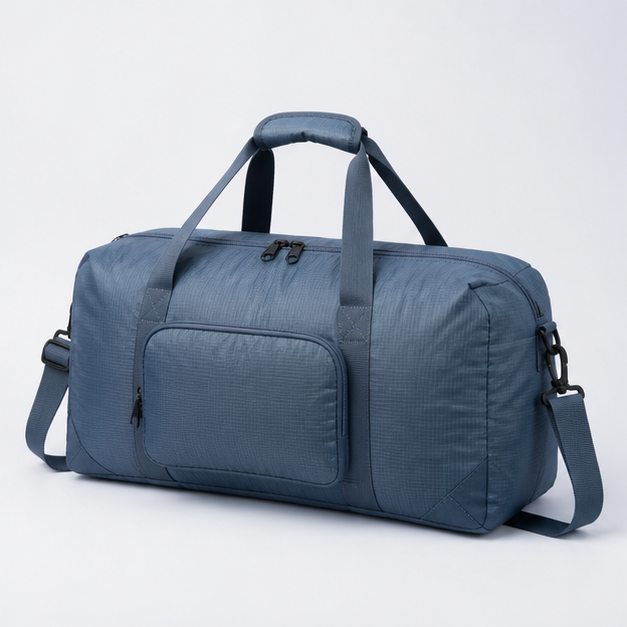
Apparel brands, uniform programs and travel accessory procurement
Reference sizeSpecified to the project brief
Travel-brand and wholesale luggage programs
Reference size52 × 30 × 22 cm
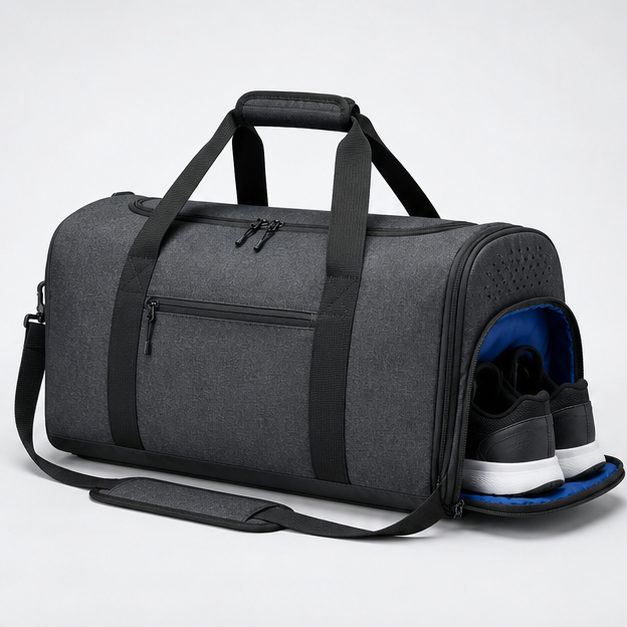
Fitness-brand and team-equipment procurement
Reference size50 × 27 × 25 cm
Travel-brand and hospitality procurement
Reference size48 × 28 × 23 cm
MATERIALS / TRAVEL BAGS
A packable duffel, gym bag and clamshell organizer need different material and construction decisions. Define the packed size and contents before choosing the shell.
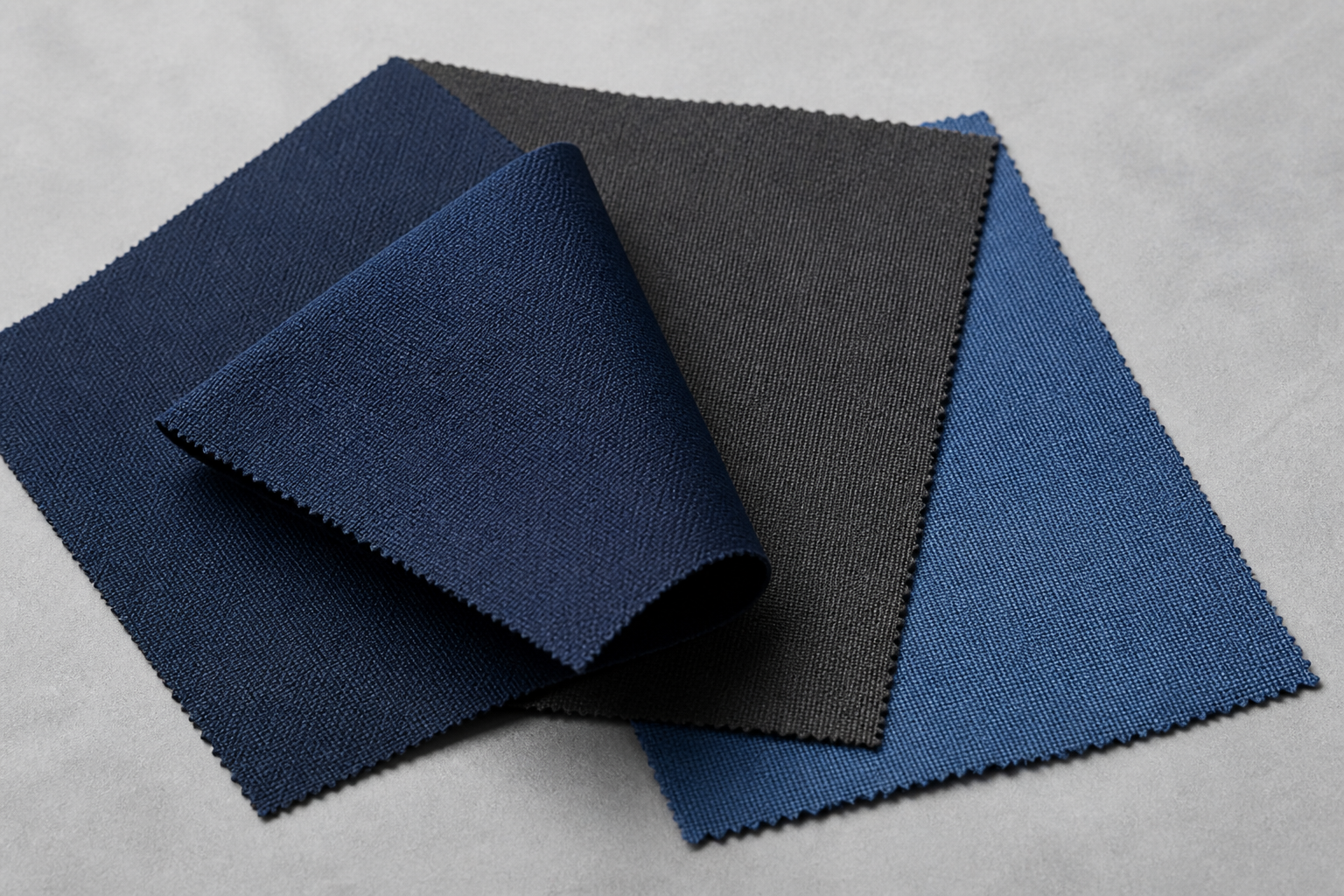
The gym bag and weekender start with woven polyester directions. The carry-on organizer lists coated polyester.
Confirm the surface, backing and lining together. A coating choice does not establish waterproof performance.
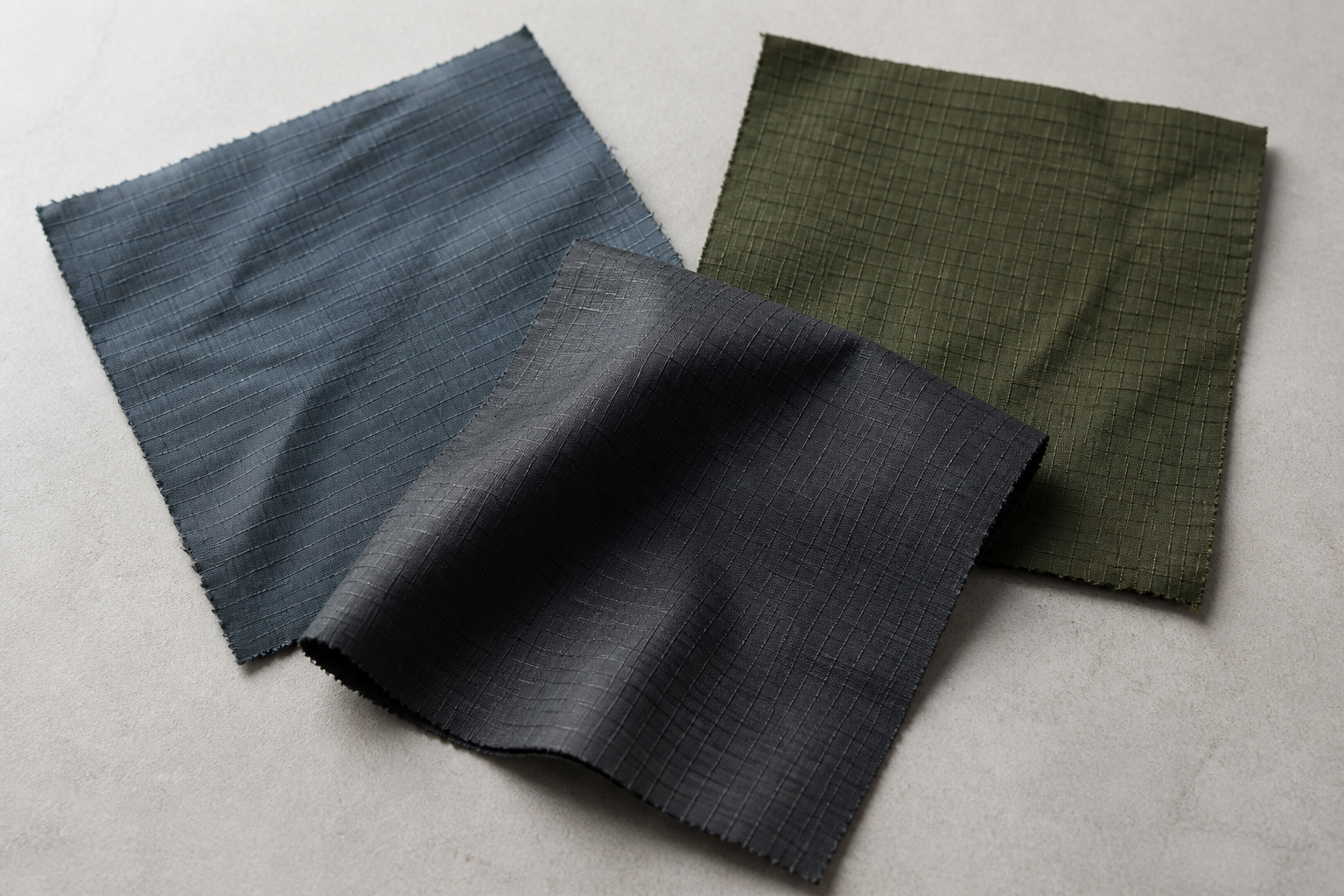
The packable duffel uses lightweight ripstop with an unlined direction. Added padding, lining or pockets must be reviewed against the packed format.
Approve the folded size with the selected handles and zipper, not only the body fabric.
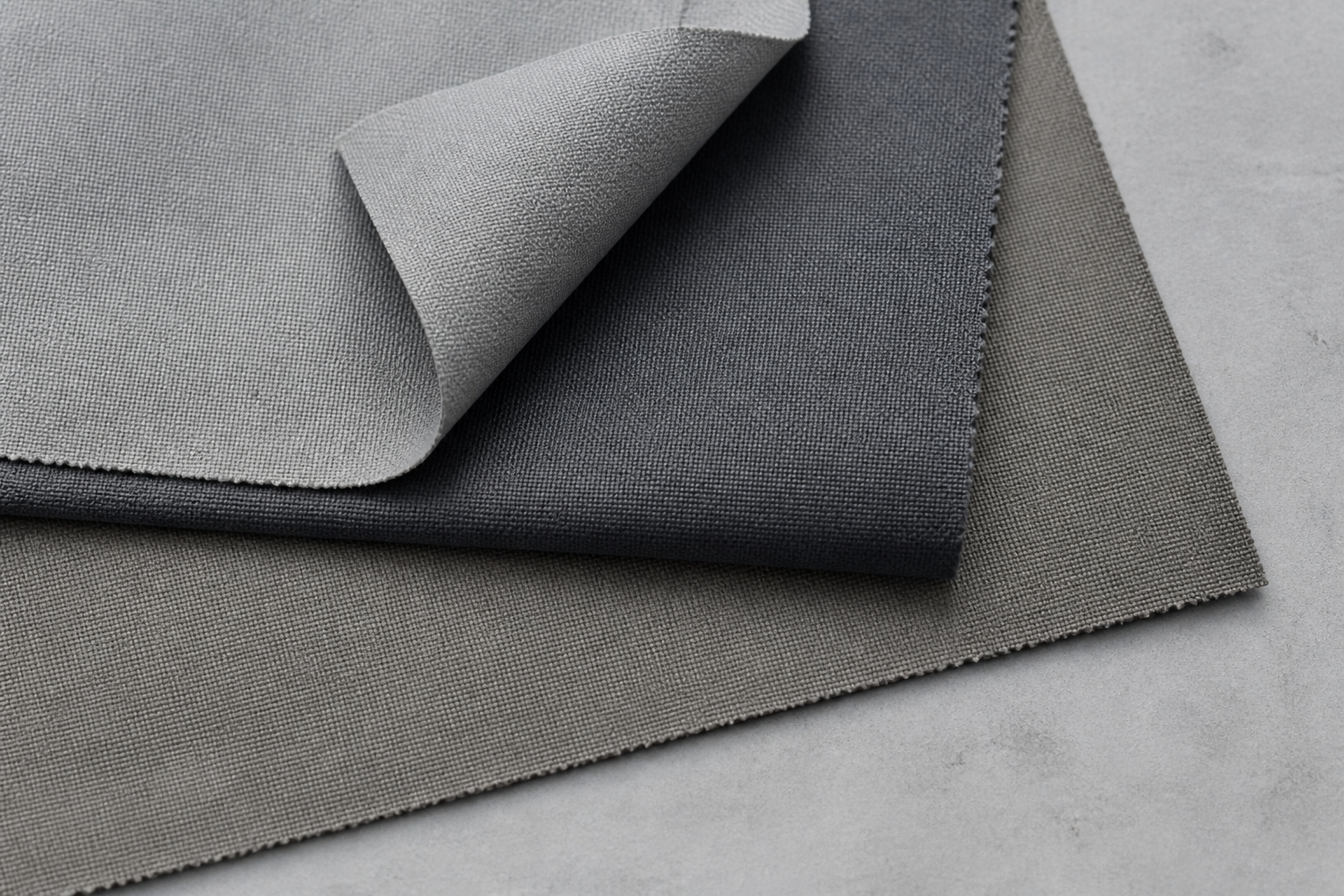
Decide whether shoes, clothing and small items need separate lined sections. Lining color, pocket boundaries and cleaning expectations belong in the brief.
Check the loss of main-compartment space when a separated compartment is filled.
Illustrative material studies, not verified swatches or test results. Final composition, construction and any performance claim require approval and supporting evidence.
CONSTRUCTION WORKSHOP
Review these decisions alongside the chosen format. The pictured designs are examples; your final layout is defined through sampling.
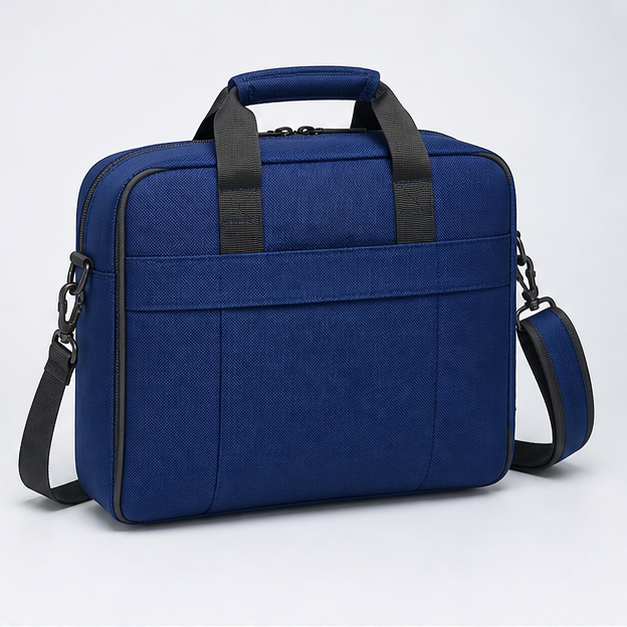
Specify hand carry, shoulder carry and any trolley attachment separately. Review handle drop, strap range and attachment positions with a representative load.
Buyer questionWhich carry mode matters most for this travel program?
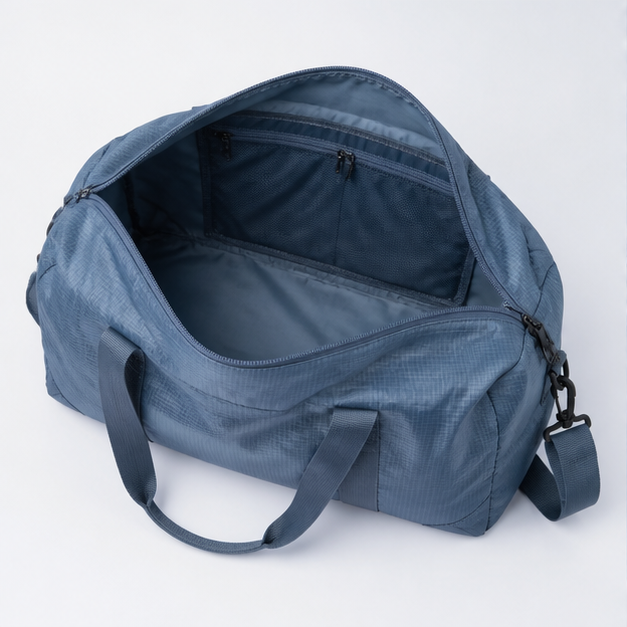
A shoe section, wet pocket or packing divider needs defined dimensions and an access route. The available main space changes when those sections are occupied.
Buyer questionWhat must stay separate, and how large is each item?
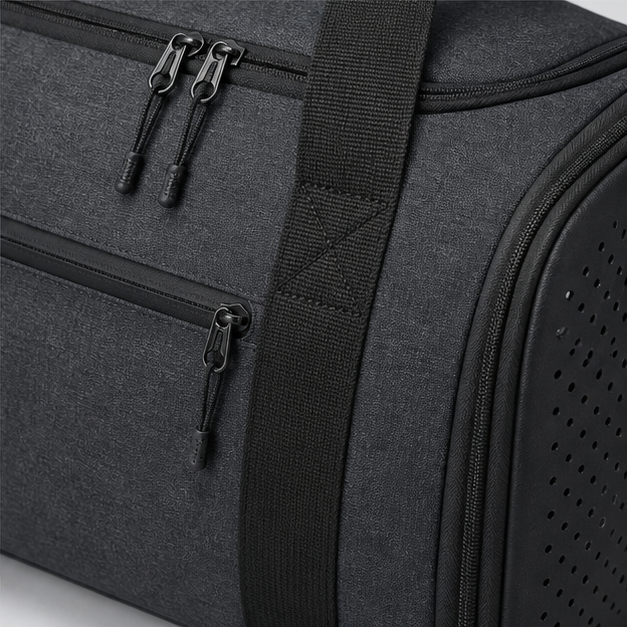
Decide whether a top opening or clamshell layout suits the packing routine. Agree measurements on the finished bag rather than inferring capacity from a photo.
Buyer questionAre there distribution-channel or carrier size requirements that must be checked separately?
Different trip lengths and packing habits change the opening, dividers and carry system. Use a packed sample to review your final specification.
Share the intended trip, packed contents and maximum outside dimensions. Do not assume a reference size meets every airline's rules.
Decide what needs its own compartment and how the bag is carried. Review shoes, damp items and main packing space separately.
For packable designs, agree folded size and the folding sequence. For structured formats, discuss support, trim and distribution packaging requirements.
CATEGORY DEVELOPMENT
The general manufacturing route is the same; these are the decisions specific to travel bags.
Send clothing, shoe and accessory needs plus any external size target.
A proposed layout and reference dimensions.
Review shell, lining, handles, shoulder strap and closure configuration.
A material/trim specification for the first sample.
Check access, balance, occupied compartment space and folded size where relevant.
A practical packing review with marked changes.
Approve color, artwork and packing, then share destination and order breakdown.
Production checkpoints and shipment packing instructions.
Confirm the sample before bulk production. Quantities, colors and timing are agreed for your actual specification.