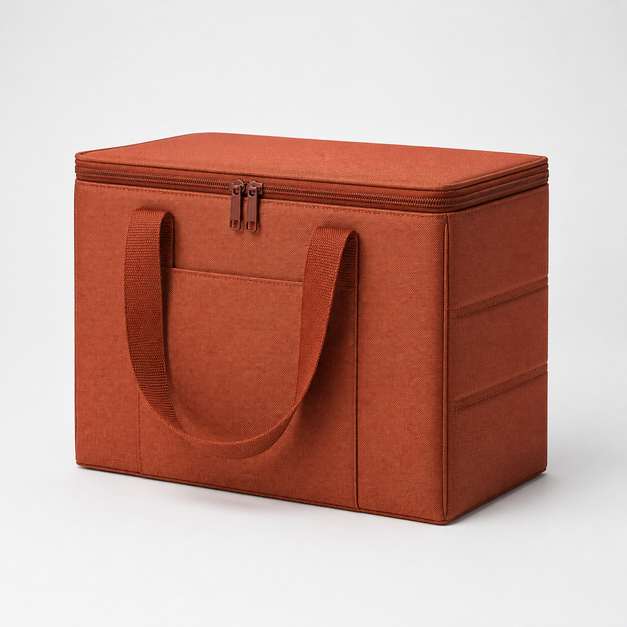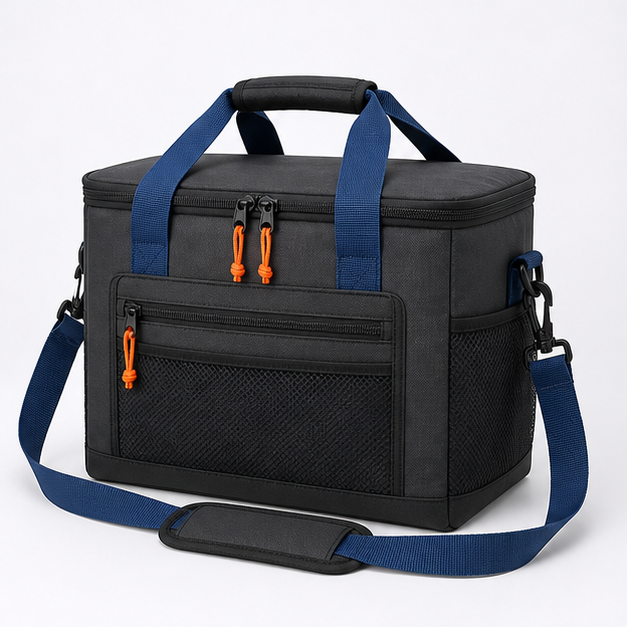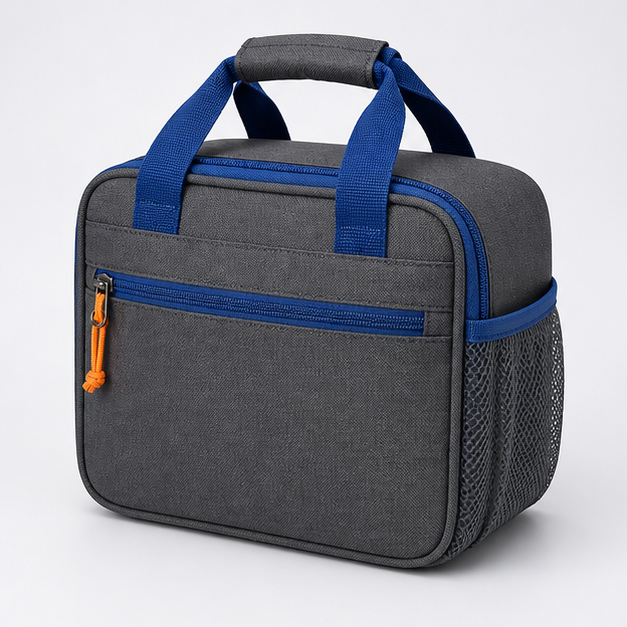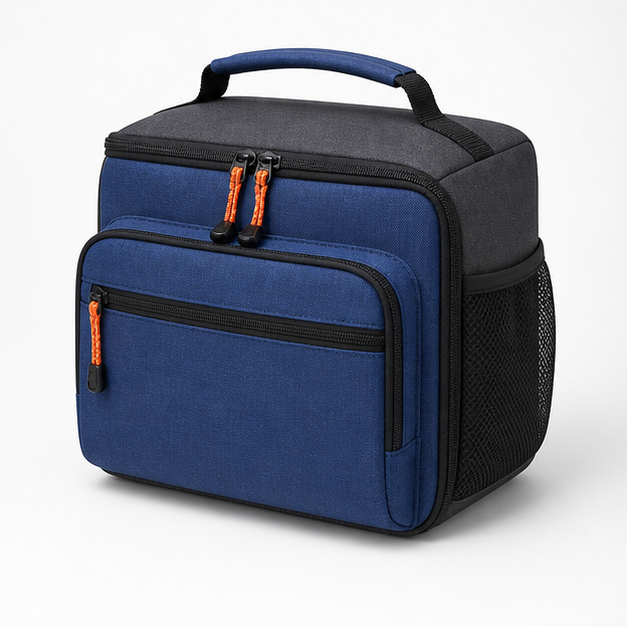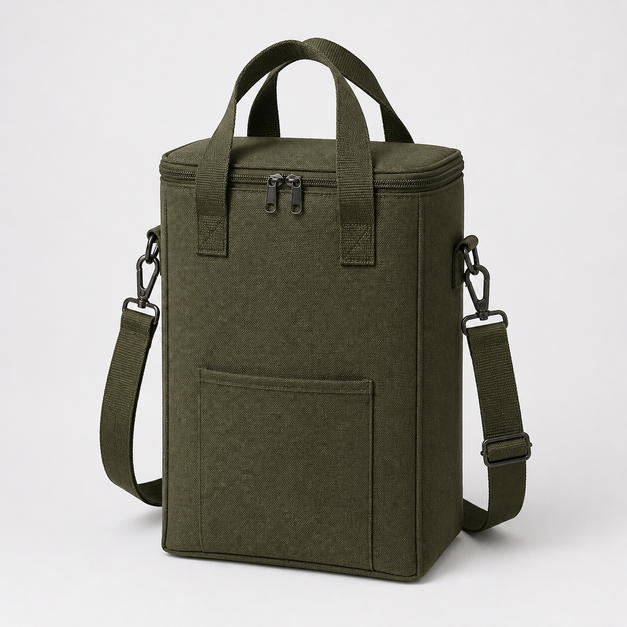
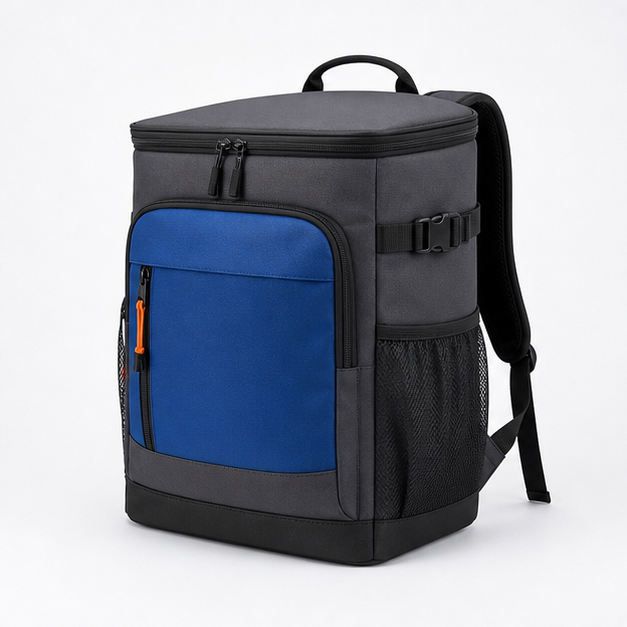
Backpack Cooler
Outdoor-brand and delivery-equipment OEM programs
Reference size42 × 30 × 20 cm
- Capacity
- Back system
OEM cooler and insulated lunch bag manufacturing for brand and corporate procurement. Compare structured lunch, tote, picnic and backpack formats; specify insulation, lining and project-specific test requirements.
Discuss your cooler and lunch bag project B2B manufacturing references. Specification and quantities confirmed through sampling.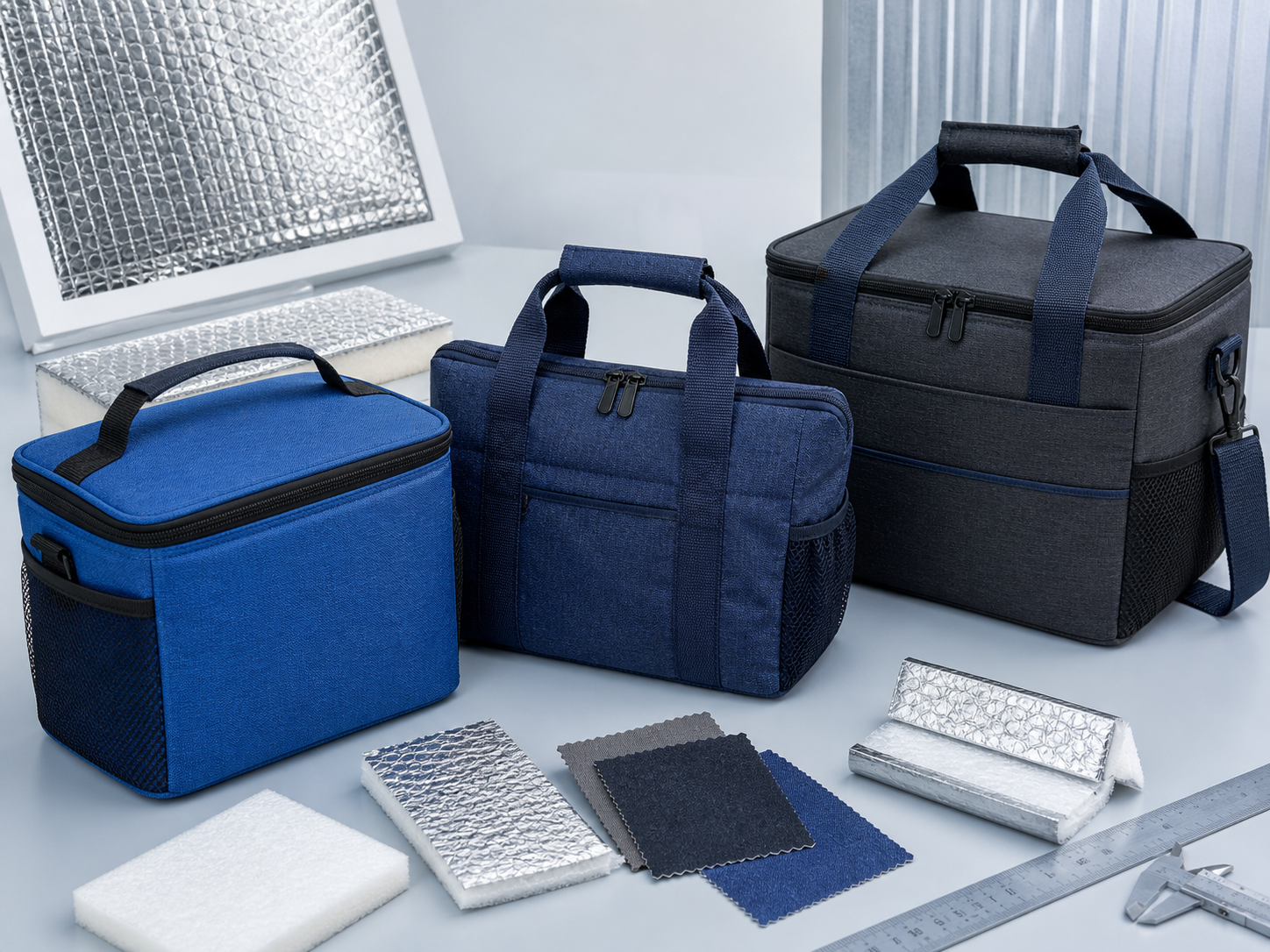
6 development references
Outdoor-brand and delivery-equipment OEM programs
Reference size42 × 30 × 20 cm
Grocery, event and branded insulated-tote procurement programs
Reference sizeSpecified to the project brief
Outdoor-brand and corporate-event procurement
Reference size34 × 28 × 25 cm
Corporate meal-carry and wholesale lunch-bag programs
Reference size25 × 21 × 14 cm
School-supply and corporate lunch-bag procurement
Reference size24 × 20 × 16 cm
Wine-brand, beverage-distributor and presentation-program procurement
Reference sizeSpecified to the project brief
MATERIALS / COOLER & LUNCH BAGS
The outer textile is only one part of a cooler or lunch bag. Shell, insulation, lining, seams and closure need an agreed specification before any performance claim is considered.
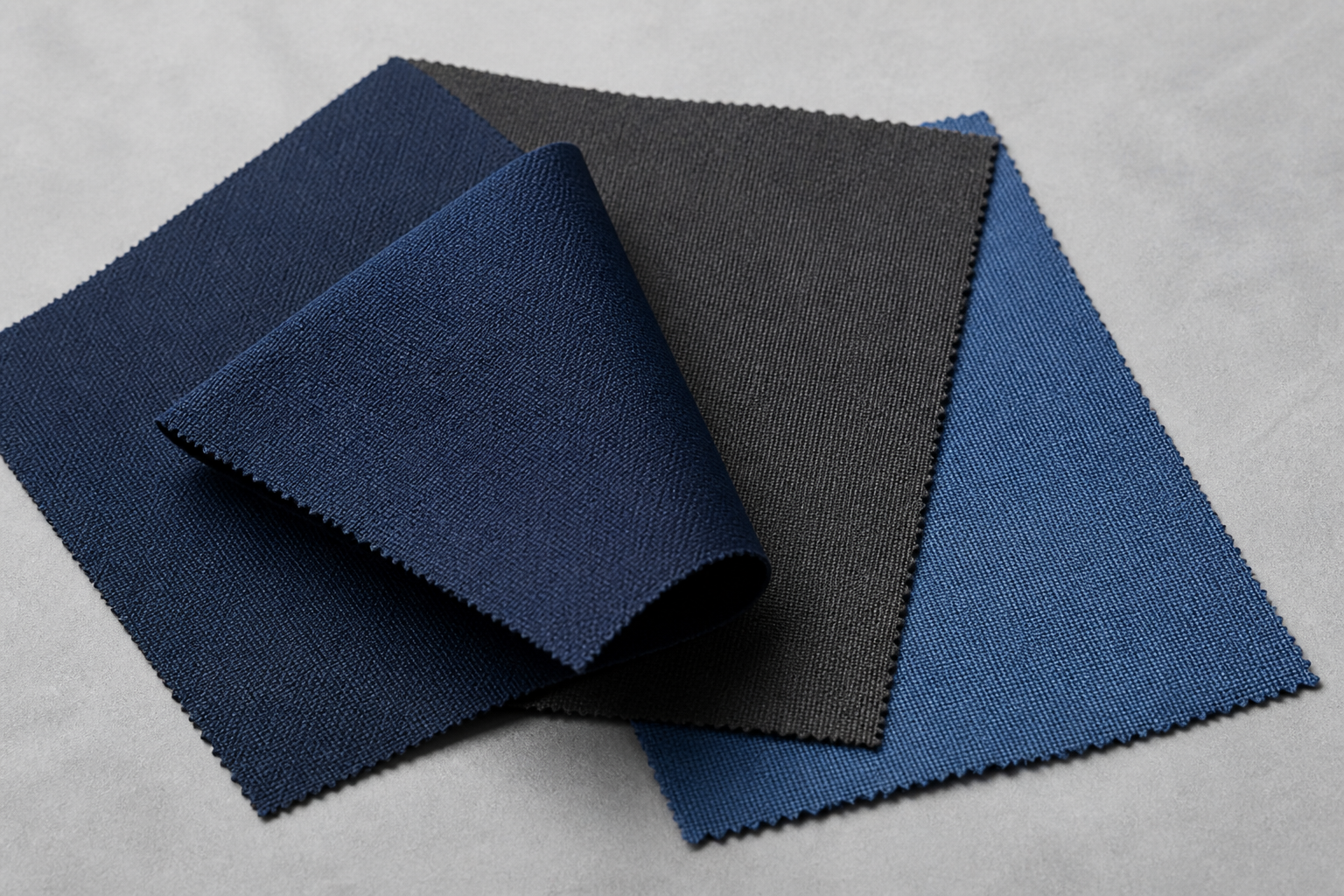
Select the shell appearance and hand feel around the intended lunch, picnic or backpack format.
If resistance to moisture is required, define the requirement and verification method rather than inferring it from the photograph.
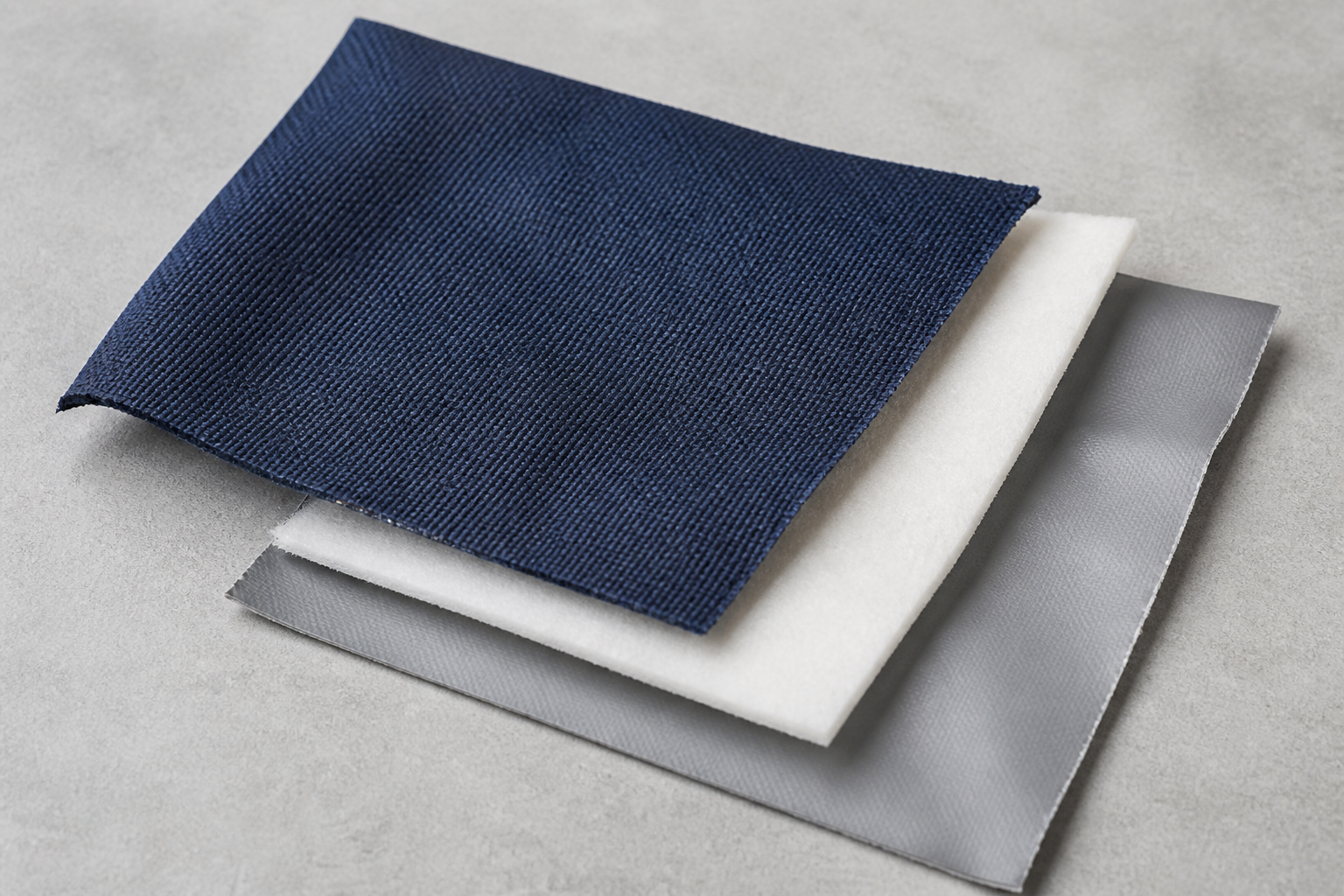
The references include insulated lining directions, not a published thermal rating. Discuss insulation material, thickness and coverage as sample decisions.
Agree any temperature-duration test conditions before making a thermal claim.
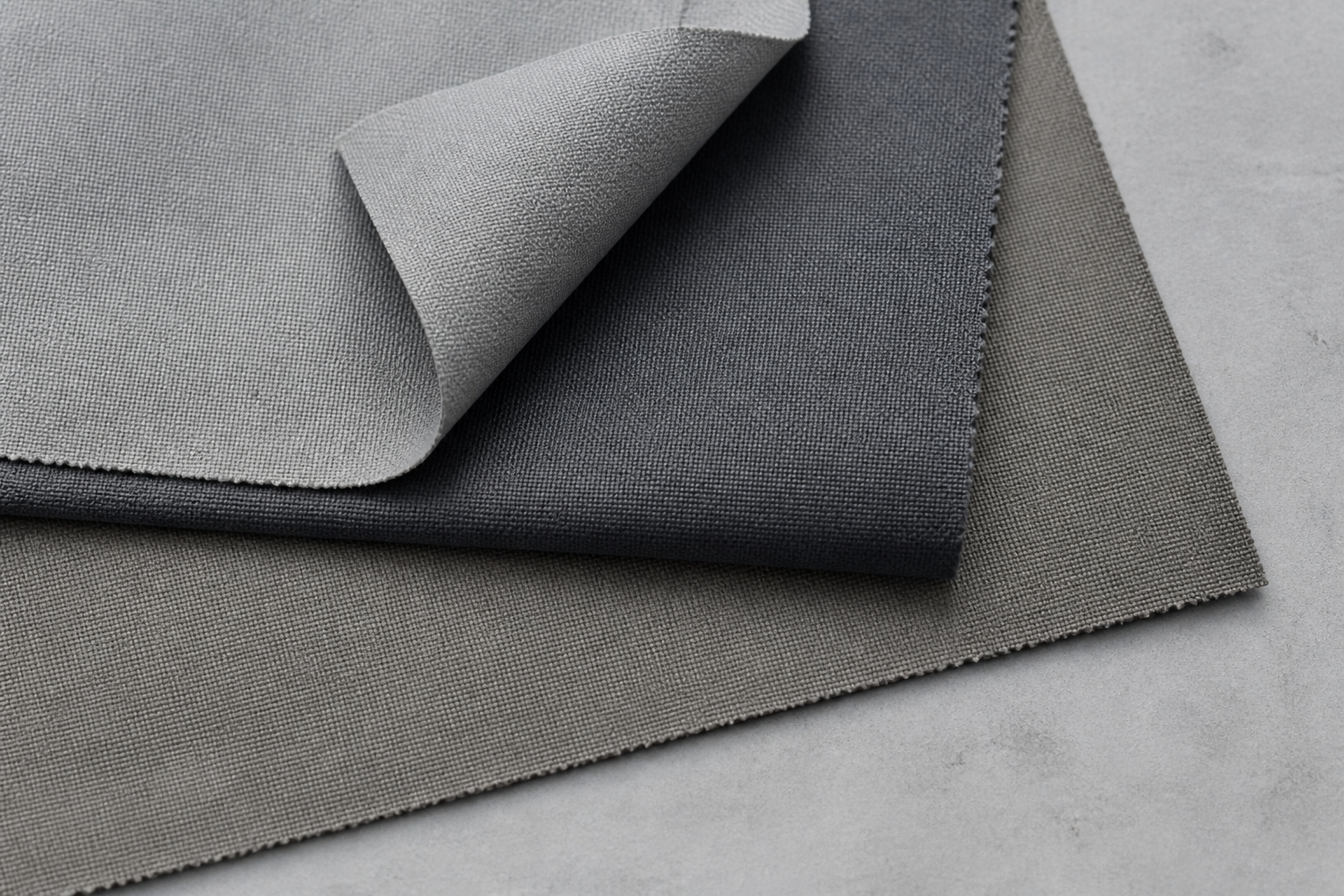
Define how the bag will be cleaned and what will be placed inside. Lining choice and seam treatment must be reviewed together.
No leakproof or direct-food-contact suitability is assumed; identify these requirements for separate verification.
Illustrative material studies, not verified swatches or test results. Final composition, construction and any performance claim require approval and supporting evidence.
CONSTRUCTION WORKSHOP
Review these decisions alongside the chosen format. The pictured designs are examples; your final layout is defined through sampling.
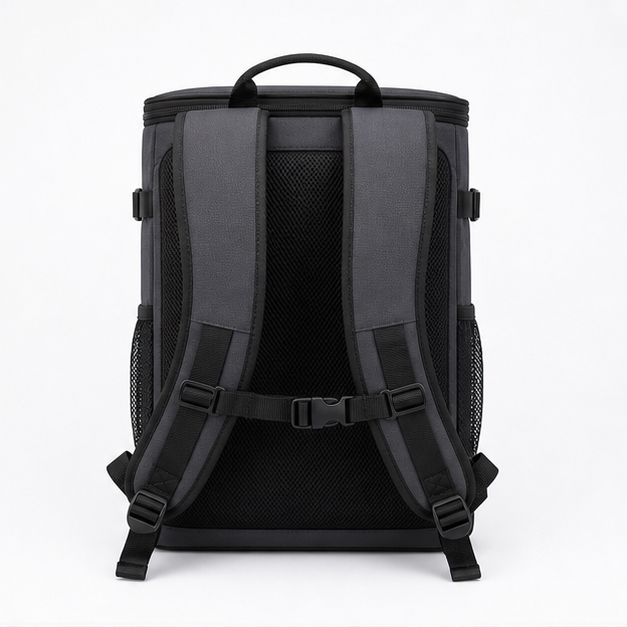
Use the actual lunch boxes, bottles and ice-pack dimensions to define the internal layout. External bag dimensions alone do not establish usable space.
Buyer questionCan the intended containers pass through the opening and sit level?
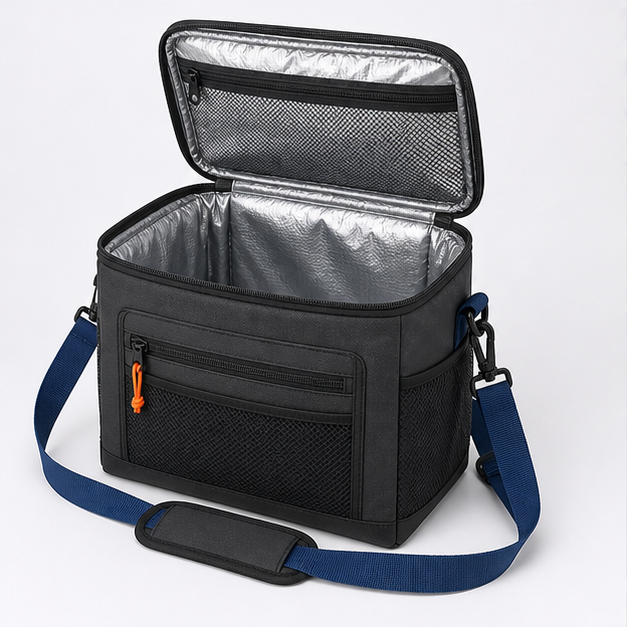
Review inner corners, seam locations, zipper route and how the interior is accessed for cleaning. Any sealing requirement is a distinct development request.
Buyer questionWhat cleaning or spill scenario should the sample review cover?
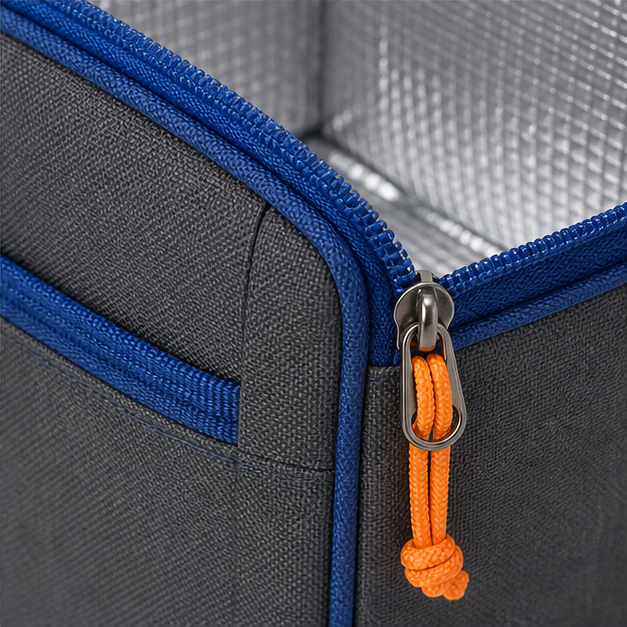
Choose hand, shoulder or backpack carry for the expected contents. Review handle clearance and the attachment positions with a loaded sample.
Buyer questionHow will the bag be carried when all containers are inside?
The reference images show a design direction, not a temperature-performance result. Insulation and lining decisions need a defined use case and sample review.
Send meal-box, bottle or container dimensions, including space for any cooling packs. Check access and usable volume with those items.
Describe temperature targets, duration and test conditions if needed. No hold-time or leakproof promise is implied by a photograph.
Explain the intended food-contact arrangement and cleaning method. Agree lining, seam construction and required evidence before sampling.
CATEGORY DEVELOPMENT
The general manufacturing route is the same; these are the decisions specific to cooler & lunch bags.
Provide container sizes, carrying format and any performance requirement.
A capacity brief expressed through actual contents.
Select shell, insulation, lining, closure and seam direction.
An agreed construction specification for sampling.
Check fit, access and carrying. Arrange any agreed performance verification separately.
Sample comments and the required evidence for specific claims.
Confirm decoration, labels and whether bags ship nested, flat or supported.
A packing reference that protects the approved form.
Confirm the sample before bulk production. Quantities, colors and timing are agreed for your actual specification.